A Voice in the Headphones, a Universe Unfolding: Podcasting's Intimate Embrace and Its Storytelling Revolution
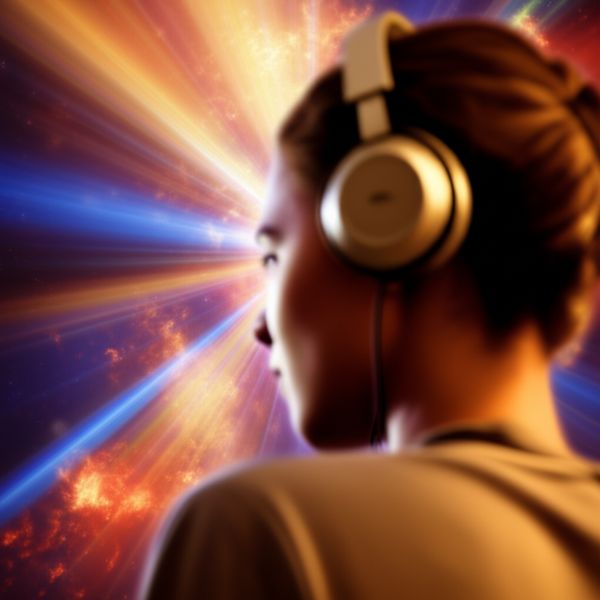 Dive into the world of podcasts and discover new dimensions of storytelling.Image is for illustration purposes only
It was a Tuesday, the kind of dreary, soul-crushing Tuesday that felt like a placeholder between two more interesting days. Rain lashed against the bus window, blurring the city into an impressionistic smear of grey and neon. My shoulders hunched, the universal posture of the modern commuter, and my fingers instinctively found the familiar cool plastic of my earbuds. The world outside receded, replaced by a gentle rustling, the distant chirp of crickets, and then, a voice. Not a booming, theatrical voice, but a quiet, contemplative one, like a secret being shared just between us.
That was my introduction to the true magic of podcasting, a medium that has, in the span of a decade, transformed from a niche hobby into a dominant force in storytelling. It wasn’t a grand narrative unfolding on a screen, or a book demanding my visual attention. It was a whisper, a presence, an invisible companion navigating the mundane alongside me. It was intimate, profoundly and uniquely so.
The Digital Campfire: Why Audio Connects Differently
Think about it. When we listen, we’re not multitasking in the same way we might be when watching TV or scrolling. Our eyes are free to roam, our hands to work, but our ears and minds are tethered to the sound. The voice enters our most personal space, bypasses the visual, and goes straight to the theatre of the mind. It’s like a digital campfire, really. We gather around, not seeing each other, but sharing in the narrative, the shared vulnerability of the human voice.
There's a psychological phenomenon at play here. When we listen to a voice without the visual cues of a face, our brains work harder to fill in the gaps. We construct the speaker, the setting, the emotions. This active participation creates a deeper sense of connection and immersion. It’s not passive consumption; it’s co-creation. The storyteller provides the canvas, and our imagination paints the picture.
I remember one specific podcast, a true-crime narrative that wasn't about sensationalism but about the quiet ripple effects of a small-town tragedy. The host's voice, tinged with a local accent, became the voice of the town itself. The ambient sounds – a distant train whistle, the crunch of gravel underfoot – weren't just background noise; they were characters, weaving me deeper into the fabric of the story. It felt less like I was listening to a story and more like I was living inside it.
The Whisper in Your Ear: Crafting Unparalleled Intimacy
This intimacy isn't accidental. It's meticulously crafted by skilled podcasters. The way a host lowers their voice for a profound revelation, the carefully chosen sound effects that evoke a specific place or emotion, the pacing that builds suspense or offers solace – these are all deliberate choices that exploit the unique strengths of audio. Unlike television or film, where grand gestures often dominate, podcasting thrives on subtlety. A sigh, a pause, a slight catch in the throat can convey more emotion than an entire visual scene.
Consider the interview format. On screen, there's often a performative element. Guests are aware of the camera, the lighting, their posture. In a podcast, especially when recorded remotely, there's a different kind of authenticity. The guard drops. Conversations flow more naturally, punctuated by hesitations, laughter, and vulnerability that feel more raw and real. It's like eavesdropping on a conversation between friends, where genuine connection trumps polished presentation.
And then there's the accessibility. Podcasts can accompany us everywhere: during morning runs, while doing dishes, on long road trips. They don't demand our full visual attention, but they capture our auditory one. This constant companionship fosters a relationship with the hosts and narratives that few other mediums can match. They become part of our daily rhythm, an ongoing conversation in our lives.
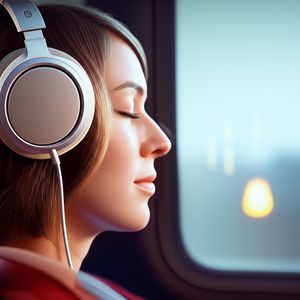 Lost in sound: The intimate world created by a voice in your headphones.Image is for illustration purposes only
A Kaleidoscope of Voices: Breaking Free from Traditional Gatekeepers
One of the most revolutionary aspects of podcasting is its democratic nature. Gone are the days when a select few gatekeepers controlled the airwaves. Today, anyone with a microphone, a story, and an internet connection can launch a podcast. This has unleashed an unprecedented explosion of diverse voices and perspectives.
Suddenly, stories that might never have found a home in mainstream media are thriving. We hear from indigenous storytellers preserving ancient myths, from LGBTQ+ creators discussing identity and activism, from scientists demystifying complex concepts, and from everyday people sharing extraordinary personal journeys. This accessibility has not only broadened our understanding of the world but also validated experiences that were previously marginalized or ignored.
Niche, Deeper, Richer: The Power of Hyper-Focused Content
Traditional media, constrained by advertising models and broad audience appeal, often shies away from highly specialized topics. Podcasting laughs in the face of such limitations. You want a deep dive into the history of competitive eating? There's a podcast for that. Obsessed with the intricacies of medieval tapestry weaving? You'll find your people. These hyper-focused shows cultivate incredibly passionate and engaged audiences, creating vibrant communities around shared interests.
This phenomenon allows for a level of depth and nuance rarely seen elsewhere. Instead of scratching the surface of a topic, podcasters can dedicate entire seasons to exploring every facet, interviewing experts, dissecting theories, and truly becoming masters of their chosen niche. For the listener, it's an intellectual feast, an opportunity to become an armchair expert on subjects they never knew they cared so deeply about.
I stumbled upon a podcast once that explored the history of forgotten technologies. Each episode was a mini-documentary, beautifully researched and narrated. It was hardly a topic for prime-time television, yet it captivated me. The host's genuine enthusiasm was infectious, and I found myself looking forward to learning about everything from pneumatic tube transportation to early attempts at artificial intelligence. It was a testament to the power of passion meeting an open platform.
Narrative Reimagined: The Evolution of Storytelling Structures
While podcasts have breathed new life into classic radio dramas, their true storytelling revolution lies in the innovative ways they've adapted narrative structures. Serialized non-fiction, in particular, has found its perfect home in podcasting, captivating millions with cliffhanger endings and unfolding mysteries.
Remember the phenomenon of Serial? It wasn't just a true-crime story; it was a masterclass in suspense, investigative journalism, and human empathy. Each week, listeners collectively held their breath, dissecting theories online, arguing about evidence, and eagerly awaiting the next episode. It replicated the water-cooler conversations of classic TV shows but on a global, digital scale. The absence of visual aids forced listeners to engage their imagination, making them active participants in the investigation.
Sound as a Character: Beyond Words and Music
The beauty of audio storytelling extends beyond the spoken word. Sound design in podcasts has become an art form in itself, transforming ambient noise, music, and effects into integral parts of the narrative. It's not just background filler; it's a character, a mood-setter, a silent narrator.
In a beautifully produced historical podcast, the crackle of an old recording, the distant rumble of a horse-drawn carriage, or the subtle shift in atmospheric sounds can transport you across time and space. These sonic details don't just enhance the experience; they build the world. They create a sense of place and time that is as vivid as any visual description, often more so because it taps directly into our subconscious and emotional responses.
I recall listening to a fictional horror podcast set in a desolate arctic outpost. The creaking of ice, the biting wind, the muffled footsteps in the snow – these sounds were not merely illustrative; they were terrifying. They built a pervasive sense of isolation and dread that visuals might have struggled to convey, forcing my own mind to conjure the unseen horrors lurking just beyond the edge of hearing.
The Human Connection: My Journey and Yours
My journey into podcasting's intimate embrace began, as many do, with curiosity and a desire to fill otherwise empty moments. But it evolved into something far deeper. It became a source of education, inspiration, and profound human connection. Through voices in my headphones, I've grieved with strangers, celebrated triumphs, learned about worlds I never knew existed, and pondered the deepest questions of existence.
Podcasting teaches us the power of listening – truly listening. In a world saturated with visual distractions and fleeting attention spans, it reminds us to slow down, to absorb, to engage with narratives on a deeper, more personal level. It's a reminder that the human voice, unadorned and authentic, remains one of our most potent tools for connection and understanding.
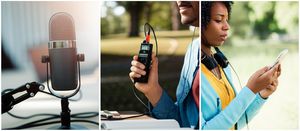 From creators to listeners, podcasting amplifies diverse voices and stories.Image is for illustration purposes only
The Future is Listening: What's Next for the Audio Revolution?
As technology advances, so too does the potential for podcasting. We're already seeing innovations in immersive audio, where binaural recording techniques create a 3D soundscape that feels incredibly real. Imagine a true-crime podcast where you feel like you're standing right at the scene, or a historical drama where the sounds of a bustling marketplace envelop you from all directions. The line between listener and participant will continue to blur.
Furthermore, the integration of interactive elements – think choose-your-own-adventure podcasts or shows that respond to listener input – is still in its infancy. The ability to personalize the listening experience, to shape the narrative through your own choices, holds immense promise for even deeper engagement.
We're also seeing an increase in live podcast recordings, transforming the intimate experience into a shared communal event. These live shows often feature audience interaction, Q&As, and even improvised storytelling, further solidifying the bond between creators and their communities. It's a testament to the fact that while podcasts live in our headphones, the connections they forge extend far beyond them.
Beyond Entertainment: Impact on Empathy and Understanding
While undoubtedly a massive source of entertainment, podcasting's impact stretches further. By giving voice to a multitude of experiences, it cultivates empathy. Listening to someone's personal struggle, their unique perspective on a global event, or their lived experience as a member of a marginalized community, breaks down barriers. It humanizes the 'other' and fosters a deeper understanding of the complex tapestry of humanity.
I recall a specific series dedicated to exploring mental health stories. Each episode featured a different individual sharing their journey, often with raw honesty and vulnerability. There were no visual cues, no performative smiles; just the unvarnished truth in their voices. Listening to these stories made me feel less alone in my own struggles and more connected to the broader human experience of navigating mental wellness. It was a profound education in compassion.
This educational component is another unsung hero of the podcasting world. From bite-sized lessons on history and science to in-depth analyses of current events, podcasts have become informal universities in our pockets. They make complex topics accessible and engaging, transforming commutes and chores into learning opportunities. The ability to pause, rewind, and relisten makes them incredibly effective learning tools, tailored to our individual pace and interests.
The Storyteller's New Canvas: Freedom and Creativity Unbound
For creators, podcasting offers unparalleled freedom. Without the visual demands of film or television, storytellers can focus purely on the auditory experience. This means less concern about budgets for elaborate sets or special effects, and more focus on the script, the performance, and the soundscape. It's a medium where the power of words and sound reign supreme.
This freedom has led to an explosion of creative experimentation. We see podcasts blurring the lines between fiction and non-fiction, experimenting with hybrid formats, and pushing the boundaries of narrative structure. There are podcasts that are essentially audio documentaries, others that are fully produced audio dramas with full casts and intricate sound design, and still others that are simply intimate conversations that feel like therapy sessions. The form is constantly evolving, driven by creators who are unburdened by traditional constraints.
One fascinating trend is the rise of 'audio walking tours' – podcasts designed to be listened to in specific locations, guiding listeners through historical sites or urban landscapes with a narrative overlay. This innovative use of the medium further integrates audio storytelling into our lived environment, transforming everyday experiences into rich, immersive narratives.
Conclusion: A Universe Unfolding, One Whisper at a Time
The bus eventually reached my stop that rainy Tuesday, but the story didn't end. The voice in my headphones continued to echo, its narrative threads woven into the fabric of my day, my week, and indeed, my life. Podcasting isn't just a medium; it's a relationship. It's the quiet companion on a lonely journey, the enthusiastic guide through uncharted intellectual territory, and the empathetic confidante sharing a secret.
Its intimate embrace has forever changed the landscape of storytelling, proving that sometimes, the most powerful narratives aren't seen, but deeply felt. They don't demand our gaze, but rather invite us to listen, to imagine, and to connect with the human experience in a way that is profoundly personal and enduring. So, plug in, tune out the noise, and let a new universe unfold, one whispered word at a time.
Disclaimer: This article explores entertainment topics for informational purposes only. Interpretations are subjective and may not represent independently verified facts. Please see our full disclaimer for more details.