Unveiling Your Next Chapter: A Minimalist Guide to Thriving in the Menopause Wellness Frontier
 Embracing a new horizon: Your empowered journey through menopause.This image is a conceptual illustration and may not represent actual experiences or medical outcomes.
The air hums with a quiet transformation. It’s not an ending, but a profound shift, a recalibration of the body and spirit that ushers in a new era of womanhood. For too long, menopause has been whispered about, medicalized, and often, misunderstood. But imagine approaching this pivotal life stage not with trepidation, but with clarity, intentionality, and a discerning eye for what truly matters for your well-being. This is the essence of a minimalist guide to thriving in the Menopause Wellness Frontier.
It’s about cutting through the noise, bypassing fads, and focusing on high-impact interventions that are scientifically proven to support you. We'll explore this new frontier, from its deep evolutionary roots to the latest clinical insights, offering a pathway to navigate your next chapter with elegance and empowerment.
Layer One: Foundations of the Menopausal Transition
Evolutionary and Socio-Historical Context of Reproductive Senescence
The menopausal transition, a unique biological phenomenon in the mammalian lineage, signifies a remarkable evolutionary divergence. Unlike many non-human primates, human females experience reproductive senescence well before the end of their natural lifespan [1]. Nearly 50% of a woman's life is spent in a post-reproductive state, a profound shift often explained by the anthropological 'Grandmother Hypothesis' [1]. This theory suggests that by ceasing fertility, older women can reallocate resources and knowledge towards the survival of offspring and grand-offspring, thereby enhancing the lineage's fitness [1]. By 2025, over one billion women globally will be navigating perimenopausal or postmenopausal stages [1], emphasizing the critical need to view this phase not as a medical pathology, but as a significant biological and social epoch.
Historically, the perception of menopause has swung wildly. In some non-Western cultures, it was a celebratory transition, marking a woman's elevation to a revered elder status [3]. Yet, in Western clinical frameworks, particularly since the 19th century, it became increasingly medicalized, often framed as a 'deficiency disease' [3][2]. Early treatments, alarmingly, ranged from bloodletting with leeches to surgical interventions [2]. This medicalization prioritized youthfulness and sexual desirability over holistic health [4]. Thankfully, contemporary paradigms, championed by organizations like the International Menopause Society (IMS), now advocate for a balanced narrative. They acknowledge the physiological challenges while respecting menopause as a universal life stage deeply influenced by sociocultural factors such as education, religion, and social class [1].
Global Demographics and Regional Disparities
The landscape of menopause is rich with regional nuances. Natural menopause is clinically defined by 12 consecutive months of amenorrhea due to the loss of ovarian follicular activity [5]. The global average age of natural menopause (ANM) is approximately 48.8 years [5]. However, meta-analyses reveal a 'sigmoid curve' of distribution, with mean ages ranging from 46 to 52 years across different populations [2]. These variations are not solely genetic; they are profoundly influenced by behavioral and socioeconomic modulators. For instance, cigarette smoking is consistently linked to an earlier menopause by 1–2 years, whereas higher educational attainment and better overall health status often correlate with a later onset [6].
The phenomenon of 'weathering' further illuminates these disparities. This term describes the cumulative physiological toll of social, economic, and environmental stressors. In the United States, longitudinal data from the Study of Women's Health Across the Nation (SWAN) reveal that Black and Hispanic women typically reach menopause about two years earlier than white women and experience symptoms for nearly twice as long, often exceeding a decade [7]. Even the nature of reported symptoms varies culturally; American women frequently report night sweats and insomnia, while women in the Philippines more commonly cite diffuse achiness as their primary complaint [3].
Biological Mechanisms: The Hormonal and Systemic Cascade
The perimenopausal transition begins with an accelerated depletion of the ovarian follicle supply. As these follicles diminish, the production of inhibin-B decreases, reducing the negative feedback on the anterior pituitary gland [9]. This triggers a compensatory rise in follicle-stimulating hormone (FSH) levels. While FSH fluctuates in early perimenopause, it typically stabilizes above 25 mIU/mL in late perimenopause, marked by amenorrhea exceeding 60 days [9]. Concurrently, estradiol (E2), the primary circulating estrogen in premenopausal women, declines significantly as remaining follicles become less responsive to gonadotropin stimulation [5].
This decline in estrogen initiates systemic shifts impacting multiple organ systems, as estrogen receptors are widely distributed throughout the body. The loss of E2 leads to several critical systemic effects:
- Skeletal Integrity: Estrogen is crucial for inhibiting osteoclast activity (bone resorption). Without sufficient E2, bone resorption outpaces bone formation, resulting in a loss of 9% to 35% of bone mass within the first five years post-menopause [10].
- Cardiovascular Vulnerability: Pre-menopausal women benefit from estrogen's cardioprotective effects, which promote vascular elasticity and maintain a favorable lipid profile. Post-menopause, this advantage diminishes, leading to thicker, stiffer arteries and an increased risk of hypertension and dyslipidemia [9].
- Metabolic Dysfunction: The shift in hormonal balance promotes a redistribution of body fat from peripheral areas to central (abdominal) depots. This contributes to metabolic syndrome, a cluster of symptoms including insulin resistance, high triglycerides, and low HDL cholesterol [9].
The Ovary-Liver Axis and Metabolic Reprogramming
A crucial, yet often overlooked, aspect of the menopausal transition is the 'Ovary-Liver Axis' [11]. The liver, the body's primary metabolic hub, is highly sexually dimorphic, with its inflammatory and metabolic pathways tightly regulated by gonadal hormones [11]. Estrogen, primarily through Estrogen Receptor Alpha (ERα) in hepatocytes, maintains glycemic control and prevents hepatic steatosis (fatty liver) [12].
When estrogen levels fall during menopause, the protective regulation of hepatic metabolism is compromised. Postmenopausal women face a 2.4-fold higher risk of developing metabolic dysfunction-associated steatotic liver disease (MASLD) compared to premenopausal women [14]. Molecular research shows that estrogen normally inhibits proteins like TEAD1, which regulates fat absorption within liver cells. In the absence of estrogen, increased TEAD1 activity leads to detrimental fat buildup and pro-inflammatory signaling [15]. This hepatic shift exacerbates systemic insulin resistance and contributes to the increased risk of type 2 diabetes observed in postmenopausal years [9].
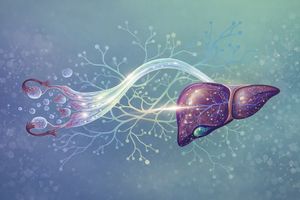 The intricate dance: Understanding the Ovary-Liver Axis in menopause.This image is a conceptual illustration of biological processes and not a direct medical representation.
Layer Two: Clinical Interventions and Guidelines
Menopause Hormone Therapy (MHT): International Standards
The clinical management of menopause is deeply rooted in the individualized application of Menopause Hormone Therapy (MHT), formerly known as Hormone Replacement Therapy (HRT). Prestigious guidelines from the North American Menopause Society (NAMS) and the National Institute for Health and Care Excellence (NICE) in the UK underscore that for symptomatic women under 60 or within 10 years of menopause onset, the benefits of MHT typically outweigh the risks [16].
NAMS 2022 guidelines affirm MHT as the most effective treatment for vasomotor symptoms (VMS – hot flashes, night sweats) and the genitourinary syndrome of menopause (GSM), while also preventing bone loss and reducing fracture risk [16]. A key concept is the 'Timing Hypothesis' [16]: initiating MHT close to menopause onset may reduce subclinical atherosclerosis and offer cardioprotection. Conversely, starting therapy much later (over age 60 or 10–20 years post-menopause) might increase the risk of coronary heart disease and stroke [16]. For those at risk of venous thromboembolism (VTE), the transdermal route is often preferred [16]. NICE guidelines also specifically recommend sex steroid replacement for individuals with Premature Ovarian Insufficiency (POI – menopause before age 40) until at least the average age of natural menopause, to mitigate long-term risks of osteoporosis, cardiovascular disease, and cognitive decline [17].
Emerging Pharmacotherapy: Neurokinin-3 (NK3) Receptor Antagonists
For women with contraindications to MHT (e.g., a history of hormone-dependent cancers) or those preferring non-hormonal options, a major frontier in menopause management is the development of neurokinin receptor antagonists [8]. These agents directly target the hypothalamic thermoregulatory center, offering a novel approach.
- Fezolinetant: This selective NK3 receptor antagonist has demonstrated efficacy in the SKYLIGHT clinical trial program. In SKYLIGHT 1 and 2, a 45 mg once-daily dose significantly reduced the frequency and severity of VMS compared to placebo by week 4, with sustained improvements for 52 weeks [20]. While generally well-tolerated, SKYLIGHT 4 safety data indicated a need for liver enzyme monitoring, as 2%–3% of participants experienced asymptomatic elevations that resolved upon cessation [20].
- Elinzanetant: Representing a further evolution, elinzanetant is a dual NK-1 and NK-3 receptor antagonist. The OASIS 1, 2, and 3 trials showed it significantly reduced VMS frequency by over 70% by week 12, offering secondary benefits in sleep quality and menopause-related quality of life [21]. Notably, elinzanetant does not stimulate the endometrium or breast tissue, making it a viable first-line option for breast cancer survivors experiencing severe hot flashes during endocrine therapy [19].
Evaluation of Alternative and Botanical Interventions
The allure of 'natural' alternatives often leads to the widespread use of botanical supplements. However, regulatory bodies like the NIH Office of Dietary Supplements and the European Medicines Agency (EMA) advise caution, emphasizing the need for robust evidence.
- Black Cohosh (Cimicifuga racemosa): This is perhaps the most extensively researched botanical for menopause. While some studies suggest moderate efficacy for VMS, high-quality randomized controlled trials (RCTs) have largely found it to be no more effective than placebo [22]. The EMA's HMPC maintains a 'Traditional Use' monograph for black cohosh for minor neurovegetative symptoms but warns of potential hepatotoxicity. Users are advised to discontinue use immediately if signs of liver injury, such as dark urine or jaundice, appear [23].
- Red Clover (Trifolium pratense) and Soy: These contain isoflavones, which are phytoestrogens chemically similar to estradiol. Clinical results for red clover are inconsistent; some trials show a 57% reduction in VMS, compared to a 63% reduction with placebo, highlighting a high placebo response in menopause studies [22]. While generally safe for short-term use, their impact on estrogen-detoxification pathways in breast tissue is under ongoing investigation, and they are generally not recommended for women with a history of breast cancer [22].
Layer Three: The Mind-Body Frontier
Cognitive Processing and "Brain Fog": Longitudinal Evidence
The dreaded 'brain fog' is a prevalent complaint during the menopausal transition, significantly impacting productivity and quality of life. The SWAN study, tracking over 2,000 women for more than two decades, provides the most robust longitudinal evidence on this subject [24].
SWAN's core finding is that while processing speed (the time needed to process and respond to information) undergoes a subtle age-related decline around age 50, perimenopausal women experience a transient decrement in cognitive performance that often resolves in postmenopause [24]. During perimenopause, women often lose the 'practice effect'—the expected improvement on cognitive tests after repeated administration—which correlates with subjective reports of forgetfulness and difficulty concentrating [25]. Importantly, physiological and lifestyle factors are more predictive of permanent cognitive decline than hormone levels alone. SWAN data highlights:
- Hypertension and Diabetes: These conditions significantly accelerate the rate of decline in processing speed [24].
- Financial Hardship: Consistently emerges as a predictor of faster cognitive aging, likely due to chronic stress-related cortisol elevations [24].
- Sleep Fragmentation: In early postmenopause, poor sleep quality is directly linked to lower scores on cognitive processing speed tests [25].
Psychological Resilience and the Role of CBT
The menopausal transition is a period of heightened vulnerability for depressive symptoms and anxiety, fueled by fluctuating hormone levels and the psychosocial stressors of midlife. Women face twice the risk of developing depression during menopause compared to premenopausal years [3]. While MHT can improve mood for some, behavioral interventions have demonstrated superior clinical outcomes for certain symptoms.
Cognitive Behavioral Therapy for Insomnia (CBT-I) is a first-line treatment for menopausal sleep disturbances. Comparative trials show CBT-I produced significantly larger reductions in the Insomnia Severity Index (ISI) and the Pittsburgh Sleep Quality Index (PSQI) than exercise, yoga, or low-dose estradiol [26]. Its effects are sustained for up to 6 months [27], unlike pharmacological effects that often dissipate upon cessation [27]. The mechanism of CBT-I involves stimulus control (e.g., leaving the bed if unable to sleep) and cognitive restructuring to address the anxiety and maladaptive thoughts that perpetuate chronic insomnia [28]. NICE guidelines now formally include menopause-specific CBT as an option for both sleep problems and depressive symptoms linked to the transition [18].
Minimalist Lifestyle Interventions and Clinical Outcomes
A minimalist approach to menopause wellness champions high-impact interventions that directly address the primary systemic risks: bone loss and cardiovascular disease. This isn't about doing less; it's about doing what's most effective with intention and precision.
Targeted Resistance Training
To counteract the rapid decline in Bone Mineral Density (BMD) post-menopause, specific mechanical loading is indispensable. Meta-analyses of resistance training (RT) in postmenopausal women indicate that moderate-to-high intensity training (70-90% of 1-repetition maximum) is necessary to stimulate bone formation [29]. A minimalist protocol would involve 3 sessions per week of progressive resistance exercise [29]. The clinical outcome is a significant improvement in BMD at the lumbar spine and femoral neck [29]. Crucially, RT simultaneously enhances functional fitness and neuromuscular performance, thereby reducing the risk of falls, a primary driver of osteoporotic fractures [30].
The Mediterranean Dietary Pattern
The Mediterranean Diet (MD) stands as a robust nutritional intervention for mitigating menopausal metabolic risks, particularly targeting the 'Ovary-Liver Axis' and cardiovascular health [31]. Characterized by high intakes of extra-virgin olive oil, legumes, nuts, fruits, and vegetables, with moderate fish consumption and limited red meat, the MD offers profound benefits:
- Metabolic Outcomes: Adherence to the MD is linked to significant reductions in visceral fat, total cholesterol, LDL, and triglycerides [31].
- Bone Outcomes: MD components are associated with lower markers of bone resorption and higher muscle mass in postmenopausal women [33].
- Mechanism: The MD's rich antioxidant and anti-inflammatory profile, abundant in polyphenols and omega-3 fatty acids, directly counteracts the low-grade systemic inflammation induced by estrogen deficiency [32].
 Strength and sustenance: The cornerstones of minimalist menopausal wellness.This image is a conceptual illustration and may not represent actual exercise or dietary recommendations for all individuals. Consult with a healthcare professional.
Genitourinary Syndrome of Menopause (GSM) and Sexual Health
Unlike vasomotor symptoms, which may eventually resolve, Genitourinary Syndrome of Menopause (GSM)—encompassing vaginal dryness, dyspareunia (painful intercourse), and urinary urgency—tends to be progressive [34]. Management options range from non-hormonal moisturizers to targeted hormonal therapy. Systematic reviews conclusively demonstrate that for moderate-to-severe symptoms, low-dose vaginal estrogen (available as tablets, creams, or rings) is the most effective intervention, significantly improving vaginal pH and the vaginal maturation index [34]. For women with minor complaints or contraindications to estrogen, non-hormonal moisturizers (containing hyaluronic acid or polycarbophil) offer a baseline level of relief for dryness, though they do not restore the underlying tissue integrity to the same extent as estrogen [35].
Synthesis and Conclusion: Your Empowered Next Chapter
The 'Menopause Wellness Frontier' demands a paradigm shift: viewing this transition not as a passive aging process, but as an active, invaluable phase of health optimization [1]. By grounding our approach in the robust longitudinal findings of the SWAN study and adhering to the rigorous standards of NAMS and NICE guidelines, women can navigate this transition with precision, wisdom, and a minimalist focus on what truly yields profound clinical impact. This is your chance to shed what doesn't serve you and embrace the essentials.
The data-driven minimalist strategy involves a powerful combination of targeted interventions:
- Risk-Stratified MHT: Thoughtfully utilizing the 'Timing Hypothesis' to maximize bone and cardiovascular benefits, opting for transdermal routes for those with metabolic risks, all under expert medical guidance [16].
- Pharmacological Innovation: Leveraging cutting-edge NK3 receptor antagonists for effective, non-hormonal VMS relief, particularly for individuals where hormones are contraindicated [20].
- Behavioral Mastery: Employing CBT-I as a first-line clinical tool for insomnia and mood regulation, recognizing its superior efficacy over traditional sedative-hypnotics and many other interventions [26].
- Metabolic and Structural Support: Committing wholeheartedly to a Mediterranean dietary pattern and high-intensity resistance training to specifically counteract the disruptions of the Ovary-Liver axis and the accelerated loss of skeletal density [13], [29].
Ultimately, thriving in the postmenopausal years is predicated on understanding the intricate biological cascades initiated by ovarian senescence and responding with interventions that are both minimalist in their execution and profound in their clinical impact. This transition is not merely an end to reproduction; it is a crucial 'window of opportunity' to implement changes that will define the trajectory of a woman's long-term health, vitality, and well-being. Embrace this next chapter, not with fear, but with knowledge, intentionality, and the powerful simplicity of a minimalist approach. Your empowered future awaits.
Disclaimer: This article addresses health-related topics for informational purposes only. It does not constitute medical advice and should not replace consultation with a licensed healthcare professional. For complete guidance, please review our full disclaimer.