Internet Says WHAT?! Decoding the Memes & Madness Dominating Your Timelines Right Now.
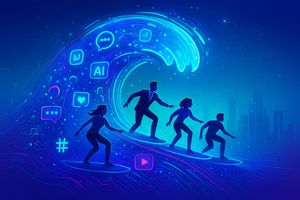
 Navigating the wild, wonderful world of internet trends and viral sensations.Image is for illustration purposes only
Alright, internet fam! Here’s what’s blowing up this week, next week, and probably every week after that: the sheer, unadulterated chaos and genius of internet culture. One minute you’re scrolling mindlessly, the next you’re deep-diving into a rabbit hole of a meme you didn't even know existed five minutes ago. Your timeline is a wild, ever-evolving beast – a mash-up of inside jokes, cultural critiques, and viral moments that define our collective digital consciousness. And honestly? We’re here for it. But let’s be real, keeping up can feel like a full-time job. Ever found yourself thinking, "Internet says WHAT?!" Yeah, same. Welcome to the decode mission.
From wholesome, throwback feels that hit you right in the feels to sharp, satirical takes on modern life, the internet isn't just a place; it's a living, breathing, often-baffling entity. It’s where new languages are born, where micro-celebrities rise and fall faster than a TikTok trend, and where the line between reality and hyper-reality blurs into an aesthetic. So, grab your virtual decoder rings – or just a strong coffee – because we’re about to unpack the memes, the madness, and the magic dominating your feeds right now. We're talking about the 'why' behind the 'what,' the cultural undercurrents driving the algorithms, and how to stay afloat (and sane!) in this glorious digital deluge. Let’s get into it!
The Digital Deluge: Why Our Feeds Are a Meme Goldmine
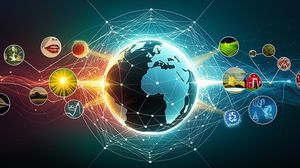
In an age where information travels at the speed of a retweet, our attention spans have become commodities, and our feeds are the ultimate battleground for eyeballs. Why are we so utterly captivated by this relentless stream of digital ephemera? Because, dear reader, the internet is our collective subconscious made manifest. It’s where we process global events, share our anxieties, celebrate our triumphs, and, perhaps most importantly, laugh ourselves silly when everything else feels too heavy. It’s a boundless, democratic playground where anyone with a smartphone can contribute to the zeitgeist – and trust me, they do.
More Than Just Laughs: The Cultural Mirror
Think of memes and viral trends not just as fleeting bits of digital content, but as a hyper-speed cultural mirror. They reflect our shared experiences, our collective anxieties, our deepest desires, and our most fleeting frustrations. A well-placed meme can encapsulate a complex emotion or societal critique with a single image and a pithy caption, often doing more work than a thousand words of traditional commentary. They are the shorthand of our times, a secret language spoken by billions, and a powerful tool for identity formation and community bonding. From political satire to relatable daily struggles, these digital artifacts tell us who we are, what we value, and where we’re headed – all wrapped up in a package designed for maximum shareability.
Trend Alert! Breaking Down the Buzz
Alright, enough with the philosophy! Let’s talk brass tacks. What exactly is bubbling up from the digital cauldron and splashing all over your screen right now? We’ve picked a few dominant forces that are shaping the conversation, sparking joy (and sometimes debate), and generally living rent-free in our collective heads. These aren't just isolated incidents; they're symptoms of larger cultural shifts, each with its own fascinating origin story and social impact.
"Core Memory Unlocked": Nostalgia's Unstoppable Reign
You know the feeling. You see a vintage toy, hear a snippet of a song from your childhood, or watch a TikTok that perfectly captures a niche experience from years ago, and BAM! A warm, fuzzy wave washes over you, accompanied by a little text overlay that screams, "Core Memory Unlocked." This trend, heavily inspired by Pixar's Inside Out, has absolutely exploded across platforms, proving that nostalgia isn't just a fleeting emotion – it's a powerful currency in the digital age. It’s about more than just remembering; it’s about reliving, and sharing that feeling with a global audience who totally gets it.
Why is everyone so obsessed with unlocking these emotional time capsules? In an ever-accelerating world, looking back offers a sense of comfort, stability, and shared understanding. It’s a collective digital hug, reminding us of simpler times or universal experiences that connect us across generations. It’s not just about 90s kids reminiscing about dial-up internet; it’s about anyone feeling a pang of recognition for a shared human experience, be it the specific smell of a school library or the pure joy of a perfectly ripe fruit. These are the moments that truly stick, forming the bedrock of our personal narratives, and the internet has given us the perfect stage to collectively celebrate them.
- Retro Gaming Vibes: Pixelated characters, iconic soundtracks, and the sheer joy of blowing into a cartridge.
- Childhood Snacks & Drinks: The specific taste of that obscure candy or discontinued soda that only *you* remember.
- Obscure School Day Rituals: That one weird game you played at recess, or the particular smell of your elementary school hallway.
- Specific Pop Culture Moments: A legendary movie quote, a forgotten TV show's intro, or a very specific music video aesthetic.
- Sensory Triggers: The sound of an old camera clicking, the feel of a worn-out blanket, or the specific scent of a long-lost perfume.
 Tapping into the universal joy of 'Core Memory Unlocked' moments.Image is for illustration purposes only
The "Main Character Energy" Phenomenon: Living Your Best POV
Ever scrolled past a beautifully shot video of someone simply walking down a street, looking effortlessly cool, with an emotive soundtrack playing, and thought, "Wow, they’re really living their best life"? Chances are, you've encountered the "Main Character Energy" trend. It's the ultimate aspiration for self-actualization in the digital age: curating your life as if you’re the protagonist of your own indie film, a romantic drama, or a thrilling adventure. It’s about embracing your unique perspective, romanticizing the mundane, and owning your narrative – a full-blown POV aesthetic, if you will.
Born largely from TikTok's hyper-visual, self-centric content, this trend isn't just about vanity; it’s a powerful act of self-empowerment. It encourages individuals to find beauty in everyday moments, to dress up for no one but themselves, to create their own soundtracks, and to view their life's journey with purpose and wonder. Of course, critics might argue it borders on narcissism, but at its heart, it’s a pushback against passively consuming content – an invitation to actively create your own reality. It's about shifting from being a background extra in someone else's story to truly embracing your spotlight moment, even if that spotlight is just your phone's ring light. It’s a defiant, delightful, and sometimes delulu way of navigating the world.
- Curated Aesthetics: From dark academia to cottagecore, choosing a visual theme for your life.
- Empowering Soundtracks: Pairing your daily commute with a cinematic score or a power anthem. Solo Adventures: Documenting solo coffee dates, park strolls, or museum visits with artistic flair.
- Self-Care Rituals: Turning skincare routines, reading, or journaling into visually appealing content.
- Monologues & Voiceovers: Narrating your thoughts and feelings as if addressing an unseen audience.
"Rizz" & The Art of Digital Charisma: What Even IS It?
If you've been on social media for more than five minutes, you've undoubtedly heard the term "rizz" being thrown around. But what is rizz? Is it game? Is it charm? Is it just… vibes? Essentially, "rizz" is short for charisma, but it’s specifically applied to one’s ability to attract a romantic or sexual interest, often through wit, style, or smooth talking. It's the modern, internet-native equivalent of having "game," but with a distinctly Gen Z flavor – less about manufactured lines and more about perceived effortless charm, confidence, and a certain je ne sais quoi.
This term rapidly gained traction, particularly on TikTok, and has now fully entered the mainstream lexicon. "Having rizz" means you’ve got that special sauce, that captivating aura that makes people gravitate towards you. "Unspoken rizz" refers to an almost unconscious magnetism, while "W rizz" (win rizz) is used when someone successfully charms another, and "L rizz" (loss rizz) for when they fail spectacularly. It’s a micro-culture built around dating dynamics, social hierarchy, and the art of attraction, all played out in public forums. While some dismiss it as mere slang, it highlights a crucial aspect of modern connection: the performative yet authentic blend of personality and digital savvy required to make an impression in an increasingly online world. It’s a fascinating look at how we package ourselves for potential partners, and how a single word can encapsulate a whole new set of social codes.
De-Influencing: The Anti-Haul Taking Over Your FYP
In a world saturated with "Buy this!" and "You NEED that!" from every corner of your digital universe, a refreshing counter-narrative has emerged: "de-influencing." This trend sees creators, who once might have been part of the consumerist cycle, actively telling their audience what not to buy. It's a candid, often hilarious, and surprisingly empowering movement that calls out overpriced, overhyped, or simply unnecessary products that influencers previously pushed. Think of it as an anti-haul, a buyer-beware PSA from someone who's already bought it, tried it, and found it wanting.
Why the sudden pivot from relentless promotion to thoughtful dissuasion? Several factors are at play. First, there’s a growing fatigue with overconsumption and a desire for more authenticity. Financial literacy and economic pressures also play a role, with people wanting to make smarter purchasing decisions. Furthermore, the push for sustainability and mindful consumption means fewer people are willing to fall for every viral gadget or beauty product. De-influencing is about reclaiming agency, fostering trust with an audience by being genuinely helpful, and adding a much-needed dose of reality to the often-glossy world of sponsored content. It's a breath of fresh air, reminding us that sometimes, the best purchase is no purchase at all – a revolutionary thought in the digital marketplace!
- Product Overhype Critique: Exposing products that simply don't live up to their viral claims.
- Budget-Friendly Alternatives: Recommending cheaper, equally effective alternatives to expensive items.
- Sustainability Focus: Highlighting products that are environmentally wasteful or contribute to fast fashion/consumption.
- Authenticity Over Ads: Prioritizing genuine user experience and value over brand partnerships.
- Mindful Spending Tips: Encouraging viewers to critically evaluate their needs before impulse buying.
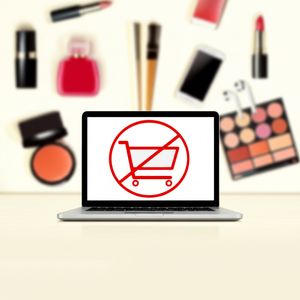 The 'De-influencing' movement: making smarter, more conscious buying decisions.Image is for illustration purposes only
Beyond the Hype: The Science (and Art) of Virality
Ever wonder why some things just... blow up? While it might seem like random internet magic, there's actually a fascinating blend of psychology, sociology, and algorithmic wizardry at play. Understanding this isn't just for marketers; it’s for anyone who wants to grasp the forces shaping our digital landscape and, frankly, our daily conversations. It’s like peeking behind the digital curtain to see the gears grinding. Spoiler alert: human connection is still the ultimate engine.
The Echo Chamber Effect: How Memes Spread Like Wildfire
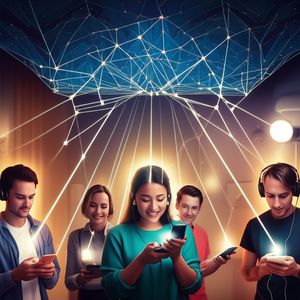
It starts with a spark. A single post, a quirky video, a relatable observation. Then, if it hits just right, it’s amplified by the digital echo chamber. Social media algorithms, designed to keep us engaged, quickly identify content that resonates and push it to more and more users who are likely to interact. Add to that the human tendency to share what we find interesting, funny, or thought-provoking, and you have a recipe for rapid dissemination. We share it with our friends, who share it with theirs, and suddenly, what began as a niche inside joke is a global phenomenon. It’s a testament to the power of network effects and the astonishing speed at which collective consciousness can form online. These digital movements quickly become a shorthand, a way of signaling belonging and shared understanding within various online communities.
Relatability is Key: Why We Share What We Share
At the core of almost every viral trend is one simple, undeniable truth: relatability. We scroll because we’re looking for connection, for validation that we’re not alone in our weird thoughts, our daily struggles, or our niche obsessions. When a meme perfectly articulates that feeling of being a potato, or captures the absurdity of adulting, or nails the specific agony of trying to assemble IKEA furniture, we don't just laugh – we resonate. We share it because it says, "Yes! This is me!" or "This is exactly what I was thinking!" This shared recognition creates a powerful bond, transforming individual experiences into collective humor or insight. It’s the digital equivalent of a knowing glance across a crowded room – a universal nod of understanding that makes the internet feel a little less isolating and a lot more human.
The Power of Remix: Evolution of Internet Culture
One of the most defining characteristics of internet culture is its remixability. A viral sound becomes the backdrop for a thousand different videos. A popular image gets re-captioned endlessly. A dance challenge spawns countless variations. This isn't just copying; it's a dynamic, collaborative form of digital evolution. Each remix adds a new layer of meaning, a fresh perspective, or an unexpected twist, showcasing the boundless creativity of internet users. It’s a testament to the open-source nature of digital content, where ideas are not static but fluid, constantly adapting and morphing. This iterative process allows trends to stay relevant longer, reach wider audiences, and develop into intricate, multi-layered phenomena. It’s a beautiful, chaotic symphony of shared creativity, proving that sometimes, the collective imagination is far greater than any single individual’s.
The Dark Side of the Algorithm: When Trends Go Wrong
While the internet is a vibrant hub of creativity and connection, it’s not all sunshine and memes. The very mechanisms that allow trends to spread like wildfire can also amplify harmful content, create immense pressure, and contribute to widespread misinformation. It’s crucial to acknowledge these shadows, because being digitally literate means understanding both the light and the dark.
Misinformation & Malicious Memes: A Serious Threat
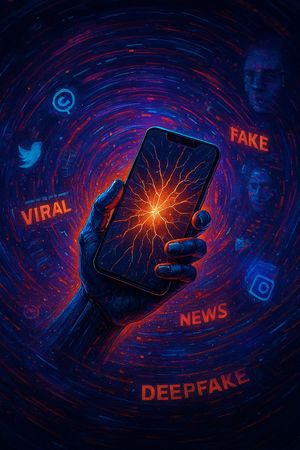
The same viral pathways that bring us joy and laughter can be weaponized. Misinformation, disinformation, and malicious narratives can spread exponentially, disguised as humor or presented as undeniable truths. Political memes, health misinformation, and conspiracy theories often leverage the same psychological triggers as harmless viral content – relatability, emotional appeal, and a sense of belonging to an 'in-group.' The speed and scale at which these dangerous ideas propagate pose a significant threat, eroding trust, fueling division, and sometimes even inciting real-world harm. Critical thinking and source verification are no longer just good habits; they are essential survival skills in the digital age. Don't just share; think.
The Pressure Cooker: Mental Health & Digital Overload
The constant pursuit of virality, the pressure to maintain "main character energy," and the never-ending stream of curated perfection can take a serious toll on mental health. FOMO (Fear Of Missing Out) becomes a chronic condition, comparison culture spirals out of control, and the constant need to be "on" can lead to burnout and anxiety. The dopamine hit of likes and shares, while exhilarating, can also become an addictive cycle, pushing individuals to chase external validation rather than cultivating internal well-being. It’s a fine line between healthy engagement and digital overload, and recognizing when to step back and disconnect is more important than ever. Your worth isn't measured in metrics, fam. Period.
Navigating the Digital Wild West: Your Guide to Staying Sane
So, how do we stay curious, connected, and critical without letting the internet consume us? It’s all about intentionality. Think of yourself as the captain of your digital ship. You get to decide the course, what cargo you take on, and when you drop anchor for a break.
Curate Your Feed: Be the Algorithm, Not Its Victim
Remember that you have control over what you see. Don't like a trend? Mute it. Find an account toxic? Unfollow. Your feed should be a reflection of what enriches your life, makes you laugh, and keeps you informed – not a source of anxiety or negativity. Actively seek out diverse voices, follow accounts that inspire you, and don't be afraid to hit that "not interested" button. Become your own personal algorithm, intelligently curating a digital space that serves you, not the other way around. It's empowering, and honestly, a game-changer for your digital well-being.
Fact-Check, Don't Just Share: Media Literacy in the Meme Age
In a world where deepfakes are becoming indistinguishable from reality and satire can be mistaken for news, media literacy is paramount. Before you hit that share button, take a moment. Does this information seem credible? Is the source reputable? Could this be satire? A quick Google search can often reveal the true nature of a viral claim. Encourage critical thinking in your online interactions and be a voice of reason amidst the noise. Your responsibility extends beyond just consuming; it includes thoughtful dissemination. Let's make the internet smarter, together.
Step Away from the Screen: IRL > URL Always
This might be the most crucial advice of all: remember there's a whole, vibrant world happening outside your screen. Schedule regular digital detoxes. Spend time in nature. Connect with friends and family face-to-face. Engage in hobbies that don't involve a screen. The internet is a fantastic tool for connection and information, but it should complement, not replace, your real-world experiences. Prioritize your mental health, your physical well-being, and your genuine human connections. Because at the end of the day, a sunset shared with a loved one beats a thousand likes every single time.
The Future of Fandom: What's Next in the Meme-Verse?
Predicting the internet's next big thing is like trying to catch smoke – it’s elusive, ever-changing, and moves at warp speed. But we can make some educated guesses about the trajectory of this fascinating digital realm. Expect even more sophisticated AI-generated content, hyper-personalized feeds that cater to your every micro-interest, and new platforms that redefine how we interact and express ourselves. The lines between content creators and consumers will continue to blur, making everyone a potential participant in the next viral wave.
However, one thing remains constant: the human need for connection, expression, and shared experience. Whether it’s through a perfectly timed meme, a profound short video, or a collective movement like "de-influencing," we’ll always find new ways to communicate, to laugh, and to make sense of our complex world, one viral moment at a time. The internet is messy, it’s brilliant, it’s infuriating, and it’s utterly indispensable. So, stay curious, stay critical, and most importantly, stay human in this incredible, ever-unfolding digital saga.
What trends are lighting up YOUR feed right now? Share your favorites (or your rants!) with the world—just hit that share button and tag us. Let’s take the convo beyond the page.
Disclaimer: This article highlights social buzz and online trends for informational purposes only. Content may reflect public commentary or opinion rather than verified information. For additional context, please refer to our full disclaimer.