
From Empty Sermons to Soulful Practices: Gen Z's Quest for Authentic Spirituality
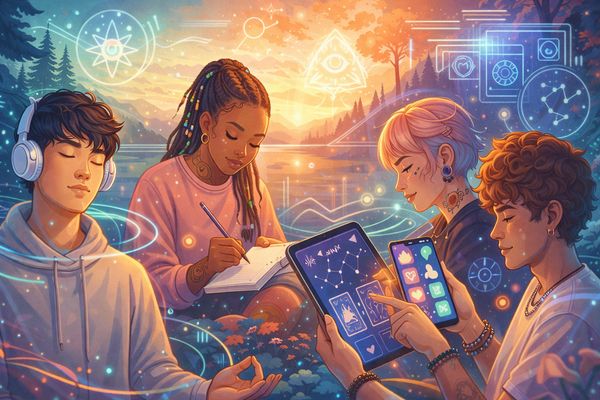 Gen Z is forging new paths to spirituality, blending personal practices with digital tools and a deep connection to nature.This image is a conceptual illustration and may not represent actual events, data, or entities.
Meet Maya, a 22-year-old artist living in a bustling city. Growing up, Sundays meant crisp dresses and hushed reverence in a church pew. But as she entered her late teens, those sermons began to feel… hollow. The words echoed, but they didn’t resonate with the swirling anxieties about climate change, social injustice, or even just navigating her own mental health. The institution felt rigid, judgmental, and frankly, a bit out of touch. So, Maya, like millions of her peers, quietly stepped away. Yet, she wasn’t abandoning faith; she was embarking on a deeply personal quest for it.
Maya’s story isn't an isolated incident; it's a microcosm of a profound transformation sweeping across the global religious landscape, driven by Generation Z. This cohort, born roughly between 1995 and 2012, is not necessarily rejecting the divine, but rather redefining what 'sacred' means. They are moving from what many perceive as "empty sermons" – a metaphorical shorthand for the rigid, often hypocritical doctrinal frameworks of traditional religious institutions – to "soulful practices." This isn’t a decline of faith, but rather a radical democratization and individualization of it, signaling a shift towards a spirituality that is functional, inclusive, and deeply personal [3].
This "spiritual renaissance" thrives outside traditional church walls, fueled by sociological shifts, psychological needs, and technological advancements. It's a fascinating journey from inherited religiosity to self-curated spirituality, where the individual, not the institution, becomes the primary architect of their faith.
The Great Unbundling: When Young Adults Say 'No' to Traditional Labels
The numbers don't lie. The religious profile of young adults has undergone a significant evolution. Between 2013 and 2024, the proportion of Americans aged 18 to 29 identifying as religiously unaffiliated surged from 32% to 38% [7]. We often call this group the "nones," but it’s crucial to understand that 'unaffiliated' doesn't automatically mean 'atheist.' For many, it's a deliberate rejection of the "bundled" identities offered by traditional denominations [8].
Interestingly, while the long-term trend points downward, recent data suggests a leveling off of this decline since approximately 2020 [10]. But beneath this apparent stability lies a dynamic story, particularly when we look at gender.
 Gen Z prioritizes personalized practices that offer immediate psychological or emotional utility, moving beyond traditional institutional settings.This image is a conceptual illustration and may not represent actual events, data, or entities.
The Shifting Sands of Gender and Faith
The most significant shift in religious affiliation is observed among young women. Historically, women have often been more religious than men. However, Gen Z women are defying these norms, becoming less religious than their male counterparts. Between 2013 and 2024, the percentage of religiously unaffiliated young women (18-29) jumped from 29% to a striking 40% – an 11-point increase. In stark contrast, young men’s religious affiliation has remained remarkably consistent, with their unaffiliated rate moving only from 35% to 36% during the same period [7]. This narrowing "gender gap" is not due to men becoming more religious, but rather women disaffiliating at a higher rate.
What’s driving this divergence? It's complex, but often linked to perceptions of inclusivity and institutional safety. Many young women feel traditional religious spaces don't align with their values or offer genuine support during challenging times.
The 'Parental Home Factor': A Temporary Hold?
While disaffiliation is a dominant trend, there’s a fascinating wrinkle: a temporary "spike" in religiousness among the youngest adults (roughly 18 to 22) compared to those in their mid-to-late 20s. For example, in the 2023-24 Religious Landscape Study, 30% of adults born between 2003 and 2006 reported attending religious services at least monthly, compared to 24% of those born between 1995 and 2002 [10].
Sociologists largely attribute this to the "parental home factor." As of 2022, a significant 56% of 18-to-24-year-olds still resided in their childhood homes, where they often continue to follow their families' religious customs [10]. However, historical patterns suggest that as these individuals transition into independent adulthood, their religious participation typically declines – a trend observed in previous cohorts [10]. This suggests that while family ties can provide a temporary anchor, the underlying currents of disaffiliation remain strong once Gen Z gains full autonomy.
The Institutional Rupture: Trust, Hypocrisy, and the Primacy of the Individual
The movement away from traditional religious structures is rarely a rejection of the divine itself. More often, it's a protest against the institution. Gen Z reports a profound lack of trust in religious organizations, a sentiment that cuts deep. A sobering statistic reveals that only 16% of young people turn to a faith community during a challenging time – a figure equivalent to the percentage who turn to no one at all [8].
Beyond the Sanctuary: A Search for Safety and Authenticity
The reasons for this deep distrust are multi-layered. Many young people view religious communities as unsafe environments for emotional or social vulnerability. Consider these perceptions:
- 54% of Gen Z feel religious communities try to "fix" them rather than "be there" for them.
- 45% do not feel safe within religious institutions.
- 39% report past harm by religion or a religious leader [5].
These figures paint a stark picture: for many, the traditional religious "Iron Cage"—a sociological concept describing rigid, rationalized structures—often prioritizes doctrinal compliance over individual well-being [5]. Lead researchers emphasize that this rupture isn't superficial; young people are severing ties because religious expectations often conflict with their core belief in the "sanctity of the individual" and their deeply held values [5].
The Values Mismatch: Social Justice, Inclusivity, and the Information Age
Gen Z deeply values inclusivity, environmental stewardship, and authenticity. They often find these priorities conspicuously absent in traditional religious spaces [3]. The "Empty Sermon" concept takes root when religious leaders preach values that are not reflected in their institutional actions, especially concerning LGBTQ+ inclusion, financial transparency, and racial justice [3]. For many, the church is viewed as judgmental or exclusionary, particularly toward those who do not conform to traditional norms regarding identity and lifestyle [12].
Moreover, the internet has shattered the information monopoly once held by religious leaders. Gen Z, as digital natives, can easily access diverse perspectives, research different belief systems, and construct their own spiritual frameworks independently of local congregational authority [3]. This access to information empowers them to question, compare, and ultimately choose what resonates with their inner compass.
Theoretical Frameworks: Navigating "Liquid Religion" and "Faith Unbundled"
To truly grasp this "Inner Shift," scholars employ powerful frameworks like "liquid religion" and "faith unbundled." These concepts describe a religious environment where boundaries are blurred, and individuals become the primary curators of their spiritual experiences [8].
The Tides of "Liquid Modernity"
Inspired by the sociologist Zygmunt Bauman, the notion of "liquid religion" suggests that faith has become an amorphous, untethered classification [9]. In a "liquid" world, the focus shifts dramatically. Instead of receiving a "single, intact system" of beliefs, rituals, and ethics, there's a powerful "DIY ethos." Individuals construct their spiritual lives from a diverse array of sources, picking and choosing what feels authentic and meaningful [6]. This fluidity allows spirituality to become a portable resource for identity formation, rather than a fixed social anchor [9]. It's less about belonging to a predefined club and more about building a personalized spiritual toolkit.
The Art of "Faith Unbundled"
"Faith unbundled" describes the process where young people distance themselves from formal religious groups without losing their inherent spiritual curiosity. They increasingly prioritize individual practices that offer immediate psychological or emotional utility [8].
Consider the most popular spiritual practices among Gen Z, and their functional objectives:
- Engagement with Creative Arts (53%): Self-Expression and Catharsis
- Spending Time in Nature (45%): Grounding and Connection
- Personal Prayer (Independent) (45%): Internal Dialogue and Solace
- Mindfulness and Meditation (29%): Cognitive Regulation
- Studying Religious Texts (28%): Seeking Narrative Meaning [8]
By unbundling their faith, Gen Z avoids the risk of "putting all their eggs in one basket," ensuring their spiritual support system isn't dependent on a single, potentially fragile institution [8]. This "vernacular religion" is spontaneous, improvised, and wonderfully messy, utilizing whatever "bits and pieces" of culture and tradition are most meaningful in the moment [11]. It’s about utility, resonance, and genuine connection rather than rigid adherence.
The Digital Sanctuary: Technology and the New Sacred
For a generation of "digital natives," the internet is far more than a tool for information; it's a "third space" for spiritual formation [1]. Digital immersion has profoundly shaped Gen Z's values, fostering a deep craving for authenticity and "reality with depth" in their online interactions [2].
Social Media as a Spiritual Marketplace
Platforms like TikTok, Instagram, and Weibo have become dynamic marketplaces for spiritual content. Nearly half (46%) of Gen Z individuals engage with TikTok at least weekly for spiritual input, drawn by the platform's visual and emotionally resonant content [15].
- WitchTok and SpiritualTok: These vibrant subcultures offer decentralized rituals and communities that transcend geographical boundaries. Users participate in "virtual pilgrimages" or shared rituals, fostering a sense of belonging without traditional institutional ties [6].
- Media Content Innovation: In countries like China, "vibrant, emotionally resonant content" on social media actively transforms traditional religious practices into digital behaviors, fostering active participation in spiritual intentions [13].
- The Impact of Algorithms: While algorithms can create "filter bubbles," Gen Z surprisingly remains open to spiritual conversations with people of differing views, with an impressive 73% showing an openness to changing their religious beliefs [15]. This speaks to their desire for genuine exploration and personal truth.
The Rise of Spiritual Self-Care Apps
Technology has also enabled the commercialization and individualization of spirituality through mobile applications. These "digital methods" show immense promise in addressing both the spiritual and mental health needs of Gen Z, offering features like guided meditation, affirmations, and virtual prayer [1].
The spiritual service market is booming, reflecting this trend:
- Global Spiritual Products/Services: Expected to reach $186.2 Billion by 2025, driven by mindfulness and holistic healing [16].
- Global Astrology Market: Valued at $14.3 Billion in 2024, with personalized natal reports being a key trend [17].
- US Online Astrology: A $205 Million market, seeing significant AI integration (e.g., CoStar) [18].
- Tarot Card Market: Valued at $209.7 Million, offering opportunities for personal growth and "shadow work" [19].
Apps like Skylight are used by Gen Z as tools to "take the edge off the day," escape from stressful current events, and manage mood disorders [4]. The "inclusive identity" of these apps allows users to engage in what some call "spiritual gumbo"—mixing prayer, yoga, and affirmations without feeling the need to adhere to a specific denomination [4]. It’s about finding what works, what brings peace, and what fosters personal growth.
 From spiritual apps to connecting with nature, Gen Z harnesses diverse tools to support their mental health and foster inner peace.This image is a conceptual illustration and may not represent actual events, data, or entities.
The Mental Health Nexus: Eco-Anxiety and the Search for Resilience
Gen Z’s spiritual renaissance is deeply intertwined with their pursuit of "eudaimonic" well-being – a focus on meaning and personal growth rather than simple pleasure [20]. This pursuit is particularly relevant given the high rates of depression and anxiety within this generation, with 42% of Gen Z adults reporting a diagnosed mental health condition [1].
Spirituality as an Untapped Resource for Well-being
Research consistently indicates a positive association between spirituality and mental health outcomes, including lower levels of depression, suicidality, and substance abuse [4]. Spirituality is increasingly viewed as an "untapped resource" to address the unique pressures faced by Gen Z, such as social isolation and the psychological burden of constant connectivity [1].
- 42% Diagnosed Mental Health Condition: Seeking connection to self/nature [1].
- 90% Anxiety Issues (among diagnosed): Use of grounding rituals/meditation [1].
- 80% Depression Issues (among diagnosed): Seeking eudaimonic purpose [1].
- 25% Reporting "more bad days than good": Use of apps to improve mood [1].
Coping with Eco-Anxiety and Global Instability
"Eco-anxiety" – distress regarding the environmental crisis – has become a dominant existential theme for Gen Z. Approximately 59% of young people aged 16 to 24 feel very or extremely concerned about climate change, reporting feelings of powerlessness and anger [23].
Spirituality provides a crucial framework for processing these "eco-emotions," offering a sense of agency through environmental stewardship and connection to nature [23]. For many, nature itself becomes the primary sanctuary, with participants in spiritual studies reporting that time outdoors is essential for maintaining a "Good Mind" [21]. This deep connection to the natural world offers a grounding spiritual practice that feels profoundly relevant to their lived experience.
Global Manifestations: A World Redefining Faith
The "Inner Shift" isn't confined to Western contexts; it's a global phenomenon. From officially atheistic China to the vibrant cultures of Africa and Asia, Gen Z is actively reshaping faith landscapes.
China: Seeking Deities as a Pressure Valve
In mainland China, Gen Z is driving a massive resurgence in temple-related activities. Offline data from February 2024 shows that orders for temple scenic spots increased by a staggering 310% year-on-year, with nearly half of the ticket bookers being young people aged 18 to 25 [24]. This isn't necessarily a return to traditional religiosity but rather a utilitarian spirituality.
- Utilitarian Spirituality: Chinese Gen Z often views "seeking deities and offering prayers" as a temporary, secular activity used to cope with intense employment and social pressures [24].
- Functional Intentions: Motivations are highly practical: praying for academic success, career advancement (salary increases), financial luck, and romantic relationships [24].
- Digital Prayer: Sharing religious videos or participating in "online incense burning" serves as an emotional exchange and a "pressure valve" for anxiety [24].
Africa and Asia: Cultural Awareness and Religious Fluidity
In regions like Kenya and Timor-Leste, Gen Z is demonstrating a significant willingness to question traditional assumptions [22]:
- Kenya: Relationships built beyond tribal lines are leading young people to prioritize a shared generational identity over the tribal identities of their parents. This sense of unity is driving political activism, such as the "Gen Z protests" of 2024 [22].
- Timor-Leste: Young people are questioning nominal beliefs in favor of more personal, evangelical experiences, often discovered through worship videos online [22].
- South Asia: With more than a quarter of the global Gen Z population residing in South Asia, the generation's digital immersion and pursuit of well-being are forcing student ministries to rethink long-standing traditional approaches [2].
The Institutional Response: Authenticity, Empowerment, and Mentorship
Despite the pervasive trend of disaffiliation, there's a nuanced understanding that some segments of Gen Z are indeed seeking belonging and shared discipleship within religious communities [25]. To genuinely reach this generation, institutions must evolve beyond "empty sermons" and embrace a more relational model of leadership [12].
Strategies for Meaningful Engagement
Research indicates that Gen Z gravitates toward environments where they feel empowered and where leaders exhibit raw, unedited authenticity [27]. Here’s what successful engagement looks like:
- Radical Authenticity: Sharing real-life faults and failures helps build trust and relevance [27]. Leaders who are vulnerable and transparent resonate deeply.
- Culture of Empowerment: Offering real leadership opportunities, not just tasks, fosters a sense of belonging and genuine investment [27]. Gen Z wants to contribute meaningfully.
- Relational Mentorship: Intergenerational connection and support can restore faith among disengaged women, who are often looking for genuine guidance and understanding [28].
- Contextual Inclusivity: Creating safe spaces regardless of background actively reduces perceptions of judgment and makes communities welcoming to diverse individuals [12].
Churches that successfully engage Gen Z are those that integrate the cohort's values into their culture. This includes utilizing digital tools for community building, addressing social and ecological concerns from a spiritual perspective, and recognizing that "relevance is about being close, not just being cool" [12]. Furthermore, there's a growing recognition that "spiritual formation deepens in relationship with others," challenging the "private faith" model held by 56% of Christian adults, which is correlated with weaker spiritual progress [26]. Gen Z, while individualistic in their spiritual quests, still values genuine community and connection.
Conclusion: The Emergence of the Post-Institutional Sacred
The "Inner Shift" in Generation Z is not a decline of faith, but a radical democratization and individualization of the sacred. The transition from "Empty Sermons" to "Soulful Practices" is a powerful move toward a spirituality that is unbundled, digital, and profoundly functional [8]. Whether through the "digital pilgrimages" of TikTok, the eudaimonic pursuit of mental health through meditation apps, or the "secular utility" of temple prayers in China, Gen Z is signaling that the spiritual life must be "real" to be relevant [14].
The implications for the global religious landscape are profound. Institutions that fail to adapt to this demand for authenticity, inclusivity, and genuine human connection risk continued disaffiliation, particularly among women [7]. However, the generation's persistent curiosity about metaphysical questions and deeper meaning suggests that we are not in an era of secularization, but rather a "potentially very exciting moment" for a spiritual renaissance that honors individual agency and global connectivity [2]. As the "iron cage" of institutional religion continues to crack, it is being replaced by a fluid, soulful, and deeply human search for the divine in the everyday [5]. Gen Z is not abandoning spirituality; they are simply forging new paths to find it, paths that are as diverse and interconnected as the generation itself.
Disclaimer: This article discusses spirituality topics for informational purposes only. Interpretations and practices may vary widely and are not intended as professional or doctrinal guidance. See our full disclaimer for details.