The Unspoken Lie: What If Your Spiritual Search Has Been Looking in the Wrong Places?
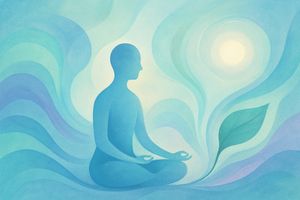
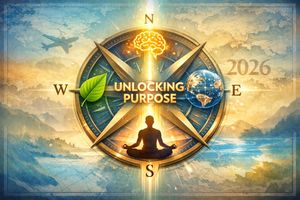
 Beyond the conventional paths: discovering where true spirituality resides.Image is for illustration purposes only
Sarah had spent years chasing enlightenment. From remote ashrams nestled in the Himalayas to trendy urban meditation studios, she’d immersed herself in every spiritual tradition she could find. Her bookshelves groaned under the weight of self-help tomes and ancient scriptures. She’d chanted, meditated, fasted, journaled, and attended countless workshops led by charismatic gurus. Yet, despite the vibrant experiences and the fleeting sense of peace, a nagging emptiness persisted. A whisper in the quiet moments: “Is this it? Is this what true spirituality feels like?”
One evening, as she stared at her carefully curated altar, adorned with crystals, incense, and a tiny Buddha statue, a thought struck her with unsettling clarity: What if I’ve been looking in all the wrong places?
This isn't just Sarah's story; it's a silent epidemic of modern spiritual seekers. We live in an age where spiritual paths are more accessible than ever, yet many of us feel increasingly adrift, disillusioned, or simply unfulfilled. We’ve bought into an unspoken lie, a pervasive misconception that has subtly steered our search off course, away from the very essence of what we crave.
The Alluring Mirage: Where We've Been Taught to Look
Think about it. When we hear the word ‘spiritual,’ what images come to mind? For many, it's monks in saffron robes, serene yogis on mountain peaks, ancient temples, or perhaps a charismatic figure speaking profound truths from a stage. We’re conditioned to believe that spirituality is found in:
- Exotic Locales: Traveling to distant lands, believing that sacred ground holds the key to our awakening.
- Ancient Texts and Rituals: Adhering strictly to prescribed practices, hoping repetition will unlock transcendence.
- Charismatic Teachers and Gurus: Projecting our hopes onto another human, believing they possess the secret formula.
- Accumulation of Knowledge: Reading every book, attending every seminar, trying to intellectualize our way to spiritual wisdom.
- Material Manifestation: Using spiritual principles as tools to acquire wealth, success, or perfect relationships, mistaking abundance for enlightenment.
- Performative Practices: Displaying our spiritual efforts on social media, seeking external validation for our inner journey.
These aren't inherently ‘wrong’ in themselves. Many can be beautiful, insightful, and supportive parts of a journey. The lie isn’t in the existence of these paths, but in the insidious belief that they are the primary or sole sources of spirituality. That spirituality is something external to be acquired, achieved, or even purchased.
The Commodification of the Soul
Our capitalist society has a remarkable way of commodifying everything, and spirituality has not been spared. Retreats costing thousands, certifications promising instant enlightenment, crystals with hefty price tags, gurus charging exorbitant fees – the spiritual marketplace is booming. We’re told we need this specific meditation cushion, that particular detox juice, or this exclusive coaching program to ‘elevate’ ourselves. The message, often subtle, is: if you spend enough, learn enough, or follow enough, you’ll finally ‘get it.’
This creates a cycle of endless seeking and spending, often leaving us feeling more depleted than enriched. We chase the next spiritual trend, convinced that the previous one simply wasn't the 'right fit.' But what if the 'fit' isn't the problem? What if the very direction of our gaze is?
 The booming spiritual marketplace: are we buying enlightenment?Image is for illustration purposes only
The Silent Disconnect: When the External Fails to Fill the Inner Void
Many, like Sarah, eventually hit a wall. They’ve done everything 'right,' followed all the instructions, yet the promised profound peace or lasting joy remains elusive. The temporary highs of a retreat fade, the wisdom of a guru feels distant, and the ancient texts, while beautiful, don't always translate into a transformed daily life. This disconnect often leads to a quiet despair, a sense of failure, or worse, a cynical abandonment of the spiritual search altogether.
The unspoken lie tells us that spirituality is a destination, a fixed point we arrive at after enough effort. It implies that we are somehow fundamentally lacking, incomplete, and need external tools or teachers to 'fix' us and make us whole. This perspective inadvertently keeps us in a state of perpetual yearning, always looking outside ourselves for something that can only ever be found within.
The Illusion of Arrival
Have you ever felt the pressure to always be 'high-vibe' or constantly 'manifesting' good things? This is another facet of the lie. It suggests that spiritual people don't experience pain, doubt, or struggle. It promotes a form of spiritual bypassing, where difficult emotions are suppressed or reframed as 'low vibration,' rather than being acknowledged and processed as part of the human experience. True spirituality isn't about escaping reality; it's about engaging with it more fully, with more presence and compassion, even (especially) the messy parts.
A Radical Reorientation: Spirituality from the Inside Out
What if the most profound spiritual wisdom isn't hidden in ancient scriptures, but written in the language of your own heart? What if the most sacred ground isn't a mountaintop ashram, but the very ground beneath your feet, wherever you stand?
The truth, often obscured by the noise of modern seeking, is that spirituality isn't something you acquire; it’s something you uncover. It’s not about becoming someone else; it’s about remembering who you already are. It’s not a destination; it’s a way of being.
Redefining ‘Spiritual’
Let's strip away the layers of expectation and re-examine what spirituality truly means. At its core, authentic spirituality is about:
- Presence: Being fully here, now, awake to the miracle of each moment.
- Connection: Feeling interconnected with all life, with yourself, and with something greater than yourself, however you define it.
- Meaning: Discovering and living in alignment with your deepest values and purpose.
- Compassion: Extending kindness and understanding to yourself and others, especially in suffering.
- Authenticity: Living truthfully, aligning your inner world with your outer actions.
- Inner Wisdom: Trusting your intuition and the quiet guidance within.
- Gratitude: Cultivating appreciation for the simple blessings of life.
Notice that none of these require a specific location, a guru, a price tag, or a rigid set of rules. They are states of being, accessible right here, right now, in your everyday life.
Stories of Reorientation: Finding the Sacred in the Mundane
Let me tell you about Maria. Maria had spent years as a dedicated yoga teacher, feeling the pressure to embody a picture of perfect serenity. Yet, behind the public smiles, she felt exhausted and fragmented. Her spiritual practice felt like another performance. One day, overwhelmed, she put on some music and began to clean her apartment – truly clean, mindfully, sensing the dust, the texture of the surfaces, the smell of the soap. She wasn't seeking enlightenment; she was just being present with the task. And in that simple act, a profound sense of peace washed over her. It wasn't the dramatic 'aha!' she’d chased in meditation; it was a quiet, earthy, undeniable sense of sacredness in the ordinary. She realized her spirituality wasn't 'on the mat' or 'in the studio'; it was in the intentionality she brought to all of life.
Then there's David, a high-flying executive who had traveled the globe seeking spiritual wisdom. He'd met swamis, shamans, and sages, always searching for the next profound teaching. Yet, he still felt a gaping hole in his heart. His breakthrough didn't come in a remote temple, but on a mundane walk with his rescue dog, Buster, through a local park. As Buster joyfully chased a squirrel, David noticed the intricate patterns of sunlight filtering through the leaves, the cool breeze on his face, the simple, unadulterated joy of his canine companion. He felt a sudden, visceral connection to life, unburdened by dogma or expectation. The spiritual experience he'd chased across continents was waiting for him, disguised as a walk in the park with his best friend. He hadn't been looking in the wrong place for spiritual teachings, but for the feeling of connection that those teachings were meant to point him towards.
 Finding sacredness in the mundane: the true essence of spiritual practice.Image is for illustration purposes only
Reclaiming Your Inner Compass: Practical Steps to Reorient Your Search
If you suspect you've been looking in the wrong place, it's not a failure; it's an awakening. It's an invitation to shift your gaze, to turn inward, and to trust the wisdom that resides within you. Here's how to begin reorienting your spiritual search:
1. Cultivate Stillness and Silence
Our modern lives are noisy, both externally and internally. Carve out moments of true stillness each day. This doesn't always mean formal meditation, though that's wonderful. It could be five minutes of quiet contemplation with your morning tea, listening to the birds, or simply observing your breath without judgment. In silence, your own inner voice, your intuition, has a chance to be heard above the clamor of external expectations.
2. Embrace the Ordinary as Sacred
True spirituality isn't reserved for grand gestures or exotic experiences. It's woven into the fabric of everyday life. Wash the dishes mindfully. Walk your commute with awareness. Taste your food fully. Notice the texture of your clothes. Attend to your work with presence. When you bring conscious attention and intention to mundane tasks, they transform into opportunities for connection and gratitude.
3. Listen to Your Body and Intuition
Your body is a remarkable instrument of wisdom. Pay attention to its signals. Where do you feel tension, ease, excitement, fear? These are often intuitive cues. Develop a relationship with your 'gut feeling' – that quiet knowing that often speaks before your logical mind kicks in. This inner compass is your most reliable spiritual guide.
4. Connect with Nature
Nature is an undeniable spiritual teacher. Spend time outdoors – a walk in the park, tending a garden, sitting by a tree, watching the clouds. The natural world operates without effort, in perfect harmony. It reminds us of our interconnectedness, our inherent wildness, and the simple majesty of existence. Let the rhythm of nature re-calibrate your own.
5. Practice Radical Acceptance
This is perhaps one of the most challenging, yet profoundly spiritual practices. Accept yourself, flaws and all. Accept others as they are. Accept life as it unfolds, even when it's difficult or uncomfortable. This doesn't mean complacency, but a willingness to meet reality without resistance. When you stop fighting what is, immense energy is freed up for growth, compassion, and true connection.
6. Serve and Connect with Others
Many spiritual traditions emphasize selfless service. Helping others, without expectation of reward, is a powerful way to tap into universal love and interconnectedness. It shifts your focus from your own perceived lack to the abundance of giving. Authentic connection with other human beings, sharing vulnerability and support, can be a deeply spiritual experience in itself.
7. Question Everything (Especially Your Assumptions About Spirituality)
Don't blindly accept someone else's definition of spirituality, even mine. Be a curious explorer. Ask yourself: What truly resonates with me? What brings me a sense of peace, meaning, and connection? Where do I feel most alive? Your answers will be unique, personal, and profoundly guiding. Let go of what doesn't feel true, even if it's revered by others.
The Courage to Discard the Map
The journey away from the unspoken lie requires courage – the courage to question long-held beliefs, to step off well-trodden paths, and to trust your own inner knowing, even when it feels uncertain. It means letting go of the need for external validation or a prescribed roadmap. It means understanding that your unique spiritual path isn't waiting to be found; it's waiting to be lived, forged step by authentic step, by you alone.
Your spirituality isn't found in a book, a guru, or a faraway land. It’s not about perfecting yourself or reaching some mythical state of enlightenment. It’s about being fully human, fully present, fully alive, in all your glorious imperfection. It’s about recognizing the sacred within the ordinary, the divine in the mundane, and the vastness of the universe reflected in the quiet chambers of your own heart.
Conclusion: The Unfolding Within
The unspoken lie has kept many of us chasing after shadows, convinced that spirituality resides somewhere 'out there.' But the truth is, it’s closer than your breath, more intimate than your thoughts, and more real than any external promise. It’s the quiet awareness that underlies all experience, the compassionate heart that feels deeply, the curious mind that seeks understanding, and the courageous spirit that chooses love over fear.
So, perhaps it’s time to stop looking. Not to give up on spirituality, but to stop the frantic external search. Instead, turn your gaze inward. Be present. Listen. Feel. Trust. For in the gentle unfolding of your own authentic life, you will discover that the spirituality you’ve been seeking has been patiently waiting for you all along, right where you are.
Disclaimer: This article discusses spirituality topics for informational purposes only. Interpretations and practices may vary widely and are not intended as professional or doctrinal guidance. See our full disclaimer for details.