Beyond Postcards: Why Local Connections Are the True Souvenirs of a Journey
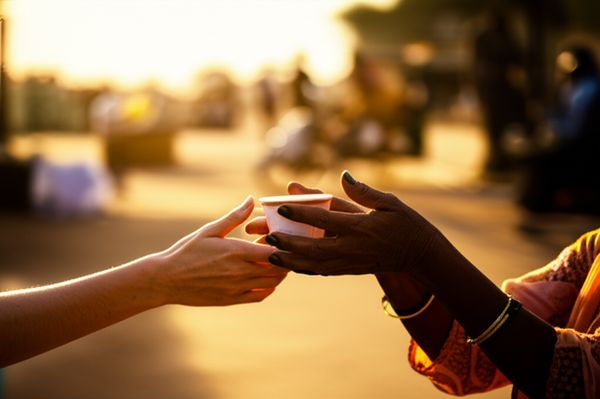 The true warmth of travel often comes from unexpected human connections.Image is for illustration purposes only
The dust swirled around my worn sandals, a fine, ochre powder kicked up by a passing auto-rickshaw. The sun beat down with relentless enthusiasm, baking the vibrant chaos of the Indian roadside into a shimmering mirage. I was a solo traveler, a little overwhelmed, a little lost, and acutely aware of my foreignness in the heart of rural Rajasthan. My water bottle was empty, and my attempts to decipher a local bus schedule were proving futile. Just as a wave of self-doubt threatened to wash over me, a voice, warm and melodic, cut through the cacophony.
“Chai? You look tired, sister.”
I turned to see an elderly woman, her face a roadmap of kindly wrinkles, gesturing from a makeshift stall. A small, bubbling pot sat on a sputtering kerosene stove, sending plumes of spicy, sweet steam into the air. Hesitantly, I approached. She didn't ask for money immediately, didn't try to sell me anything else. She simply poured a small cup of amber liquid, its fragrance instantly soothing, and pressed it into my hand. “Sit,” she commanded softly, patting a rough-hewn wooden bench.
That cup of chai, offered freely, without expectation, became the most profound souvenir of my entire trip. It wasn't just tea; it was a liquid embrace, a moment of unsolicited kindness that cut through the noise and doubt, rooting me firmly in the present and connecting me to the universal language of human warmth. That day, I learned that the most precious souvenirs aren't bought in shops; they are forged in the unexpected, genuine connections we make with the people who call a place home.
The Allure of the Tangible Versus the Echo of an Encounter
We're conditioned, aren't we? To collect. To buy. To bring back a piece of where we've been. A miniature Eiffel Tower, a hand-carved mask, a refrigerator magnet emblazoned with a famous landmark. These trinkets, neatly packaged, promise to hold the essence of our adventures, to trigger memories of sun-drenched plazas and bustling markets. We carefully place them on shelves, proud displays of our wanderlust.
Yet, how often do we truly look at them? How often do they stir the vivid emotions, the sensory details, the deep learning that travel offers? More often than not, they become dust collectors, silent witnesses to forgotten moments. They are symbols, yes, but often hollow ones, unable to capture the true *spirit* of a place or the transformative power of a journey.
The memory of that chai, however, still burns bright. I can still feel the warmth of the ceramic cup in my hand, hear the soft clinking of the woman's bangles as she stirred her pot, smell the cardamom and ginger mingling with the scent of dust and exhaust. Most importantly, I recall the feeling – the profound sense of belonging and gratitude that washed over me. This intangible memory, this moment of human connection, is a souvenir that lives not on a shelf, but within me. It’s a part of my story, enriching my understanding of the world and reminding me of the inherent goodness that thrives in unexpected corners.
This is the core argument: while material possessions offer a momentary flash of remembrance, it's the genuine, often unscripted interactions with locals that leave an indelible mark, shaping our perspectives and truly enriching our travel narratives.
Unlocking the Authentic: Why Local Connections are the Master Key
In an age where travel can feel increasingly commodified, with curated experiences and filtered perfection plastered across social media, the quest for authenticity has become paramount. We crave the 'real' experience, the one that transcends the tourist facade. And the truth is, the only way to truly unlock that authenticity is through the people who live and breathe a place every single day. They are the guardians of its true rhythm, its unspoken rules, its hidden gems.
Beyond the Guidebook: The Wisdom of the Locals
Guidebooks are invaluable, don't get me wrong. They provide logistical blueprints, historical context, and a starting point. But they can never capture the living, breathing soul of a destination. A local, however, holds that knowledge in their bones. They know the tiny, unmarked eatery serving the best street food, the secret path to a breathtaking viewpoint, the nuances of a cultural festival, or the true meaning behind a local proverb. They can guide you not just to places, but to experiences that are genuinely immersive.
I remember being in Kyoto, armed with a detailed itinerary. I was meticulously checking off temples and gardens. But it was only when a kind shopkeeper, noticing my interest in a particular textile, spent an hour explaining the history of kimono weaving, offering me green tea, and sharing stories of her grandmother, that I felt I truly *understood* a piece of Japanese culture. That afternoon, the guidebooks stayed firmly in my bag. I was learning from a living, breathing expert, an unexpected teacher.
Bridging Worlds: Empathy Forged in Conversation
Travel has the power to dismantle preconceptions and build bridges of understanding. But this transformation rarely happens from behind a tour bus window. It happens in shared laughter over a meal, in a moment of mutual struggle to understand a different language, in the simple act of listening to someone's story. These interactions peel back layers of difference, revealing the shared humanity beneath.
A few years ago, I found myself chatting with a fisherman on a quiet beach in Portugal. We spoke in broken English and even more broken Portuguese, gesturing wildly. He told me about his life, the challenges of the sea, the pride in his craft, and the deep love for his village. I, in turn, shared snippets of my own life. In that half-hour, the vast oceans separating our cultures seemed to shrink. I walked away not just with a memory of a scenic beach, but with a profound appreciation for a life so different from my own, yet driven by universal human desires. That conversation was a lesson in empathy, a souvenir of connection.
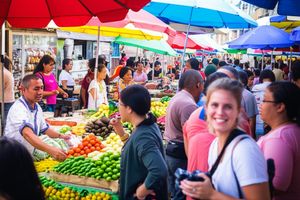 Dive into local markets to experience the authentic heartbeat of a destination.Image is for illustration purposes only
The Unexpected Adventure: Serendipity Through Connection
While planning can bring comfort, some of the most memorable travel experiences are the unplanned ones, the happy accidents. Local connections often act as catalysts for these serendipitous moments. A recommendation from a guesthouse owner might lead you to a local concert you'd never find online. A friendly chat with a café barista might result in an invitation to a family gathering. These are the moments when a trip truly comes alive, becoming less about ticking off attractions and more about living an unfolding story.
In Vietnam, a young woman I met on a shared boat trip invited me to her home for dinner. It was simple, delicious, and utterly authentic. I helped her grandmother prepare vegetables, tried my hand at rolling spring rolls, and listened to stories translated by my new friend. It wasn't on any itinerary, but it became a highlight of my entire Southeast Asian adventure. It was pure, unadulterated cultural immersion, initiated by a simple, open invitation.
The Art of Connection: How to Cultivate True Souvenirs
So, if these local connections are the true gold of travel, how do we actively seek them out? It's not about forcing interactions or being intrusive, but rather about cultivating an open heart, a curious mind, and a respectful presence.
1. Master the Art of Approachability: Your Universal Passport
It sounds simple, but a genuine smile, open body language, and eye contact can be incredibly powerful. Many cultures appreciate a respectful nod or a simple "hello" in their local language. You don't need to be fluent; a few basic phrases—"hello," "thank you," "please," "excuse me"—go a long way in showing respect and a willingness to engage. Even a fumbling attempt at the local tongue can often elicit a warm smile and an offer of help.
2. Ditch the Tourist Traps, Embrace the Local Haunts
While iconic landmarks are essential, make time to explore areas where locals live, work, and socialize. Wander through bustling food markets, visit local parks, grab a coffee at a non-chain cafe, or browse independent bookstores. These are the arenas where daily life unfolds, offering natural opportunities for observation and interaction. Look for places that aren't teeming with other tourists.
3. Engage with Local Businesses: Beyond Transactional Buying
When you're shopping, eating, or staying somewhere, choose locally owned establishments. A family-run guesthouse, a small artisan shop, a neighborhood restaurant – these are places where proprietors often have stories to tell and a genuine interest in their guests. Instead of just buying a item, ask the artisan about their craft. Instead of just ordering food, ask the chef about a particular dish. These small questions can often blossom into memorable conversations.
4. Seek Immersive Experiences: Learning and Sharing
- Homestays & Guesthouses: Staying with a local family or in a small guesthouse often means more opportunities for conversation and shared meals than a large hotel.
- Local Workshops: Take a cooking class, learn a traditional craft, or join a language exchange session. These structured activities provide a natural context for interaction and shared learning.
- Community Events: Keep an eye out for local festivals, markets, or public performances. These are celebrations of local culture and often provide a welcoming atmosphere for visitors.
- Ethical Volunteering (with caution): If done responsibly and short-term, volunteering can connect you deeply with a community, but research thoroughly to ensure it's truly beneficial and not exploitative.
 Shared moments of curiosity and respect bridge cultural divides.Image is for illustration purposes only
5. The Art of Listening: More Than Just Hearing
Perhaps the most crucial skill in fostering genuine connections is listening. Not just waiting for your turn to speak, but truly listening with an open mind and heart. Let locals share their stories, their perspectives, their challenges, and their joys. Ask open-ended questions that invite more than a yes/no answer. Show genuine curiosity. This respect for their narrative is often more valuable than any gift you could offer.
Navigating the Nuances: Overcoming Barriers to Connection
Of course, fostering local connections isn't always effortless. There can be barriers, but with a bit of patience and cultural sensitivity, most can be overcome.
The Language Labyrinth
The most obvious hurdle is often language. While English is widely spoken in many tourist hubs, venturing off the beaten path will inevitably lead to communication challenges. But don't let this deter you! Body language, gestures, a patient smile, and even drawing can often convey meaning. Translation apps are incredibly helpful for quick phrases or understanding directions. The effort you put into trying to communicate, even imperfectly, often signals respect and opens doors.
I once had a delightful exchange with a vendor in a rural market in Thailand, entirely through pointing, gesturing, and a lot of laughter. We understood each other enough to exchange pleasantries, bargain (a little!), and share a genuine moment of connection. It taught me that warmth doesn't always need words.
The Fear Factor: Shyness and the Unknown
It's natural to feel a little shy or apprehensive about approaching strangers in an unfamiliar place. What if you're bothering them? What if they don't want to talk? These fears are common. However, remember that most people, regardless of culture, are inherently kind and curious. A respectful, non-demanding approach is rarely met with hostility. Start small: a friendly greeting, a question about a local dish, or a compliment on their craft. Often, the worst that can happen is a polite but brief interaction. The best, however, can be life-changing.
Cultural Sensitivity: The Golden Rule
Before you travel, do a little research on local customs and etiquette. What are acceptable greetings? Is direct eye contact appropriate? How do you dress respectfully in certain places? Being aware of these nuances shows respect and helps prevent accidental offense. If you're unsure, observe how locals interact with each other and try to mirror their behavior. Humility and a willingness to learn are your best guides.
The Lasting Echoes: When Connections Become Part of You
The beauty of these local connections is that they don't fade with the setting sun or get lost in the bottom of a souvenir bag. They become part of your internal landscape, enriching your life long after you've returned home. You might find yourself cooking a dish you learned from a local, recalling a piece of wisdom shared by an elder, or simply carrying a renewed sense of connection to the global human family.
These true souvenirs are multifaceted:
- Expanded Perspectives: They challenge your assumptions, broaden your worldview, and foster a deeper understanding of diverse ways of life.
- Personal Growth: Stepping out of your comfort zone to connect with strangers builds confidence, empathy, and resilience.
- Unforgettable Stories: These interactions become your richest anecdotes, far more engaging than a description of a landmark.
- A Global Network of Goodwill: Sometimes, these connections grow into lasting friendships, creating a network of people across the globe who have touched your life.
The world, in its vastness, can sometimes feel daunting and disconnected. Yet, every single place is home to countless individuals with their own stories, hopes, and kindness to share. That small cup of chai on a dusty roadside in Rajasthan was more than just a drink; it was a bridge. It connected me to a moment of pure, unadulterated human generosity, reminding me that despite our differences, we are all part of the same intricate tapestry.
The Journey Continues: Pack Light, Connect Deeply
So, on your next adventure, consider packing a little lighter. Leave some room in your luggage – not for more material things, but for the intangible treasures that genuine human connections offer. Seek out the conversations, the shared meals, the simple acts of kindness, and the unexpected friendships. These are the moments that truly define a journey, the memories that will warm your heart for years to come.
Because ultimately, the most valuable souvenir you can bring home isn't something you bought. It’s a piece of humanity, shared. It’s the echo of a stranger’s kindness, the warmth of a shared smile, the silent understanding across cultures. It’s the story etched into your soul, far more precious than any trinket, and infinitely more lasting than any postcard. It’s the memory of that stranger’s chai, a potent reminder that the universal language of kindness is truly the most beautiful souvenir of all.
Disclaimer: This article discusses travel-related topics for informational purposes only. Travel conditions, costs, and availability are subject to change without notice. For further details, please see our full disclaimer.