
My Backpack Was Heavier Than My Heart: The Hidden Burden of Over-Planning Your Global Adventure
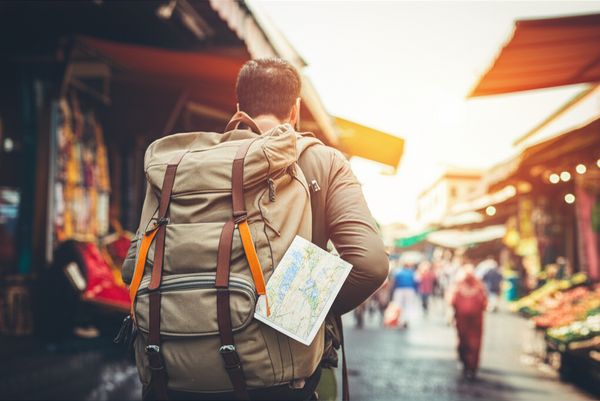 Sometimes, the weight we carry isn't just in our backpack, but in our meticulously crafted plans.Image is for illustration purposes only
It was a sweltering Tuesday afternoon in Marrakech, the kind where the air shimmered above the souks and the scent of cumin and mint tea hung thick, almost tangible. I stood at a crossroads, literally and metaphorically, my oversized backpack digging into my shoulders, each strap a testament to my meticulous, bordering-on-obsessive, pre-trip planning. My phone, clutched in a sweaty hand, displayed a color-coded, hour-by-hour itinerary for the day: 9:00 AM – Jardin Majorelle, 11:30 AM – Bahia Palace, 1:00 PM – Lunch at a specific café, 2:30 PM – Djemaa el-Fna immersion, 4:00 PM – Souk navigation (specific sections!), 6:00 PM – Cooking Class.
My heart, however, wasn't in it. It felt heavy, not with the wonder of a new place, but with the crushing weight of expectation and obligation. I was in one of the most vibrant cities on Earth, yet I felt like a cog in my own meticulously constructed machine, moving from one pre-determined activity to the next, checking off boxes instead of truly experiencing moments. That afternoon, my backpack wasn't just filled with clothes and guidebooks; it was filled with the hidden burden of over-planning my global adventure.
This wasn't an isolated incident. Across countless continents and cities, from the bustling streets of Bangkok to the serene landscapes of Patagonia, I'd found myself repeating the same pattern. The initial thrill of planning, the spreadsheets, the Pinterest boards, the blog research – it all started with good intentions. It was supposed to optimize my trip, ensure I didn't miss a single highlight, and make every moment count. But somewhere along the line, it transformed into a self-imposed prison, turning adventure into an obligation.
If this resonates with you, you're not alone. In an age where information is abundant and the fear of missing out (FOMO) is a powerful motivator, the temptation to plan every minute detail of a trip is immense. But what if, in our relentless pursuit of the ‘perfect’ itinerary, we’re actually robbing ourselves of the very magic we seek? What if the heaviest thing we carry isn't our luggage, but the unyielding schedule we’ve crafted?
The Allure of the Perfect Itinerary: Why We Fall for the Trap
Let's be honest, there's a certain thrill in planning. The anticipation, the research, the feeling of control over an unknown future – it's all part of the excitement of a global adventure. We dive deep into travel blogs, pore over guidebooks, scroll through Instagram feeds, all in an effort to craft an experience that is both efficient and unforgettable.
The FOMO Factor: Missing Nothing, Enjoying Less
One of the biggest drivers behind our compulsion to over-plan is the omnipresent fear of missing out. Every article screams “Top 10 Things You MUST Do in [Destination]!” Every social media post showcases a perfectly curated experience. We see travelers ticking off bucket list items with enviable ease, and a voice in our head whispers, “You need to do that too. And that. And that.”
This pressure creates an invisible itinerary that extends beyond our own desires. We feel obligated to visit every landmark, try every acclaimed dish, and participate in every highly-rated activity. The result? A schedule so packed it leaves no room for anything else, not even spontaneous joy. We're so busy trying to see everything that we rarely truly *experience* anything.
The Illusion of Control: Taming the Wild Unknown
Travel, by its very nature, is an encounter with the unknown. New cultures, languages, landscapes, and unexpected challenges. For many, this uncertainty can be a source of anxiety. Planning, then, becomes a coping mechanism. A meticulously detailed itinerary feels like a safety net, a way to mitigate risks and ensure smooth sailing. We believe that by controlling every variable, we can prevent mishaps and guarantee a perfect trip.
While some planning is undoubtedly wise – booking flights, initial accommodation, and understanding visa requirements – the deeper we descend into the rabbit hole of minute-by-minute scheduling, the more we delude ourselves into believing we can control the uncontrollable. The reality is, travel is inherently unpredictable, and embracing that unpredictability is where true adventure lies.
The Social Media Effect: Curating the 'Perfect' Trip
In the age of Instagram, our travel experiences often become performative. We're not just traveling for ourselves; we're traveling to create shareable content. This adds another layer of pressure to our planning. We research the most 'Instagrammable' spots, plan outfits, and even map out optimal times for photos, all to present a polished, envy-inducing highlight reel. This focus on external validation can transform a genuine quest for cultural immersion into a photo shoot, sacrificing authentic travel for digital likes.
When Precision Becomes Prison: The Hidden Costs of Over-Planning
What starts as a desire for efficiency and enjoyment can quickly morph into a source of stress and exhaustion. The very tools we use to enhance our trip can end up diminishing it.
The Weight on Your Shoulders (Literally and Figuratively)
Remember that heavy backpack in Marrakech? It wasn't just the physical weight of my belongings; it was the mental load. Every morning, I woke up with a to-do list for my vacation. Decision fatigue became a constant companion. Should I stick to the schedule even though I’m tired? Am I enjoying this enough? Am I seeing what I ‘should’ be seeing?
This constant internal dialogue zaps energy and joy. Instead of being present, our minds are often several steps ahead, already calculating the next move, worrying about logistics, or reviewing what we’ve just done against the ‘plan’. It's a subtle but pervasive form of travel stress that can silently erode the pleasure of exploration.
Chasing the Clock, Not the Culture
One evening, during a supposed ‘authentic street food experience’ in Hanoi, my internal clock was ticking. I had allocated exactly 45 minutes for dinner before needing to rush to a water puppet show. As I hastily devoured my pho, I noticed a group of locals laughing boisterously at the next table, sharing stories and taking their sweet time. A street vendor paused to chat with them, and for a moment, I felt a pang of longing. I was physically there, but mentally, I was already at the next bullet point on my itinerary. I was chasing the clock, not immersing myself in the rich tapestry of Hanoi’s evening life.
Rigid schedules force us to rush through experiences, preventing us from lingering when we find something truly captivating, or pausing when we need a moment of rest. We see sights, but we don't *feel* them. We interact briefly, but we don't connect deeply. The subtle nuances of a new culture, the unexpected conversations, the quiet observations – these are the casualties of a tightly packed itinerary.
Travel Burnout: The Exhaustion of Execution
Yes, travel burnout is real, and it’s often a direct consequence of over-planning. When every day is a marathon of sights, activities, and travel logistics, your vacation can start to feel like work. You wake up exhausted, dreading the next item on the list. The joy of discovery is replaced by the pressure of execution.
This exhaustion can manifest in various ways: irritability, lack of interest, difficulty appreciating new experiences, and even physical illness. Instead of returning home refreshed and inspired, you might find yourself needing a vacation from your vacation.  Chasing the clock instead of savoring the moment.Image is for illustration purposes only
The Unspoken Burden: What Over-Planning Steals
Beyond the immediate stress, over-planning robs us of some of the most profound aspects of travel – the moments that often become our most cherished memories.
The Magic of the Unplanned Detour
My best travel stories rarely involve something I meticulously planned. They involve the wrong turn that led to a hidden temple, the impromptu invitation from a local for tea, the discovery of a tiny, nameless restaurant serving the most incredible food, or the decision to simply sit on a bench and watch the world go by. These are the moments of serendipity, the unexpected gifts that make a journey truly unique.
When every minute is accounted for, there's no space for these detours. No time to follow a curious sound down a cobbled alleyway, no flexibility to accept an invitation, no opportunity for an unexpected encounter to unfold. We become so focused on the destination that we miss the beauty of the journey itself.
Authentic Encounters: Beyond the Tourist Trap
Genuine cultural immersion often happens in the in-between moments, far from the curated experiences of tour groups. It's the conversation with a shopkeeper, the shared smile with a stranger, the observation of daily life unfolding without a schedule. Over-planning, with its focus on popular attractions and scheduled tours, can inadvertently keep us trapped in the tourist bubble.
When you're constantly rushing from one scheduled event to the next, you have little bandwidth to connect with the local environment or its people on a deeper level. You might see the sights, but you miss the soul of the place.
Your Inner Compass: Losing Touch with Intuition
How often do we pause on a trip and ask ourselves, “What do I *really* feel like doing right now?” If your answer is always dictated by your itinerary, you’ve lost touch with your inner compass. Travel should be a journey of self-discovery as much as it is a discovery of the world. It’s an opportunity to listen to your intuition, to follow your curiosity, and to respond to the moment.
When you surrender to an external schedule, you surrender a part of your autonomy. You stop asking what truly excites or rejuvenates you and instead focus on what your spreadsheet demands. This can lead to a sense of disconnect, making the travel experience feel less personal and less fulfilling.
The Digital Chains: Addiction to the Screen
A heavily planned itinerary often goes hand-in-hand with constant digital engagement. We're checking maps, verifying opening hours, looking up directions, confirming bookings, and of course, documenting everything. While technology can be a helpful travel companion, an over-reliance on it, fueled by an over-scheduled trip, can lead to a digital detox being impossible.
Instead of gazing at a stunning sunset, we’re framing it through our phone screen. Instead of soaking in the ambiance of a bustling market, we’re researching the next stop. The digital chains of over-planning can keep us from truly being present, further burdening our minds and stealing the magic of observation.
Reclaiming Your Journey: Strategies for a Lighter Adventure
So, how do we break free from the burden of the over-planned itinerary and embrace a more spontaneous, authentic global adventure? It’s about shifting our mindset and creating space for the unexpected.
Embrace the “Loose Outline”: A Few Key Points, Plenty of White Space
Instead of a minute-by-minute breakdown, create a skeletal plan. Identify 2-3 absolute must-dos for each destination, or perhaps one major activity per day. Leave the rest of the time as white space. This allows for flexibility and freedom. You know the main attractions you want to see, but how you get there, and what you do in between, is left open to discovery.
This approach gives you a sense of direction without turning your trip into a military operation. It respects the fact that some days you might wake up craving a quiet coffee shop and a book, while others you're ready for an epic hike. This is crucial for both solo travel and group travel, allowing for individual preferences and energy levels.
The Art of Under-Packing: Physical and Mental Freedom
Remember that heavy backpack? A lighter load, physically, often translates to a lighter load mentally. When you’re not lugging around excessive luggage, you’re more agile, more willing to explore off-the-beaten-path, and less stressed by logistics. Research minimalist packing techniques. Ask yourself if you truly *need* that fifth pair of shoes. Less stuff means less to worry about, less to keep track of, and more freedom to move.
This minimalist approach extends beyond physical items. It’s about under-packing your schedule too. Don't fill every slot. Leave room for emptiness, for reflection, for simply *being*.
Build in “Buffer Days”: Time for Nothing, Time for Anything
Especially on longer global adventures, intersperse your active travel days with dedicated buffer days. These are days with absolutely no plans. Use them to recharge, do laundry, catch up on journaling, or simply wander aimlessly. These days are not wasted; they are essential for preventing travel burnout and allowing your mind to process all the new stimuli. They offer the mental space for genuine relaxation and for your intuition to surface, perhaps pointing you towards an unexpected gem.
Trust Your Instincts (and Locals!): Let Serendipity Guide You
When you arrive in a new place, instead of immediately consulting your meticulously crafted itinerary, take a moment. Breathe. Look around. What calls to you? Talk to locals – hotel staff, café owners, taxi drivers. Ask them where they eat, where they go to relax, what their favorite hidden spots are. These recommendations often lead to the most memorable and authentic experiences, far removed from the guidebooks.
Embrace the unexpected invitation, the intriguing side street, the recommendation from a new acquaintance. This is where the true spirit of adventure lies.  The best stories are often found off the planned path.Image is for illustration purposes only
The Power of “No”: It's Okay to Skip Something on the List
One of the hardest lessons for over-planners is learning to say “no” – to an activity you’re no longer interested in, to a famous landmark that just feels like a chore, or even to a recommendation from a well-meaning friend. Your trip is *your* trip. If you’re feeling tired, uninspired, or simply drawn in another direction, it's perfectly okay to deviate from the plan. The goal is enjoyment and enrichment, not checklist completion.
The Transformative Power of Letting Go
Releasing the grip of over-planning isn't just about reducing stress; it's about unlocking a deeper, more profound travel experience. It’s about shifting from being a tourist to becoming a traveler, from merely seeing the world to truly connecting with it.
Discovering Resilience: Navigating Challenges Without a Script
When you allow for spontaneity, you also build resilience. Things will inevitably go wrong on any trip, planned or unplanned. When you're not shackled to a rigid schedule, you develop the muscle to adapt, problem-solve, and find creative solutions. These moments of navigating the unexpected, far from being negative, often become powerful lessons and sources of personal growth.
Deeper Connections: With Places, People, and Yourself
A relaxed, open itinerary allows for deeper engagement. You have the time to sit and observe, to absorb the rhythm of a place, to strike up conversations, and to truly listen. This mindful travel fosters genuine connections – with the history embedded in ancient stones, with the vibrant energy of a market square, and with the people who call these places home. Crucially, it also allows for a deeper connection with yourself, as you become more attuned to your own desires and responses.
Unearthing True Joy: The Simple Pleasure of Being Present
Ultimately, letting go of the need to control every detail brings you back to the present moment. It's in these moments – the first sip of coffee watching the world wake up, the unexpected burst of laughter with a new friend, the breathtaking vista you stumbled upon by accident – that true joy resides. It’s the simple pleasure of being fully present, fully open, and fully alive to the adventure unfolding around you, free from the burden of future obligations or past regrets.
Your Next Adventure Awaits: Lighter Heart, Lighter Backpack
That sweltering afternoon in Marrakech, when I looked at my overwhelming itinerary, something shifted. I folded the map, put away my phone, and decided to simply wander. I allowed myself to be led by the enticing aroma of spices, the vibrant colors of textiles, and the distant call of a street musician. I found myself in a quiet courtyard, sipping mint tea with an elderly carpet seller, learning about his family and his craft, a conversation that wasn't on any itinerary.
It was a moment of profound peace, where the weight of my backpack finally felt lighter than my heart. It was a reminder that the best adventures aren't meticulously planned; they are deeply felt. So, as you dream of your next global adventure, consider packing a little less – both in your luggage and in your schedule. Give yourself the gift of spontaneity, the freedom of flexibility, and the joy of embracing the beautiful, unpredictable unknown.
What will you let go of on your next trip to make your heart lighter and your journey more authentic?
Disclaimer: This article discusses travel-related topics for informational purposes only. Travel conditions, costs, and availability are subject to change without notice. For further details, please see our full disclaimer.