7 Ways to Cultural Immersion Despite Current Travel Warnings: From Local Markets to Hidden Gems
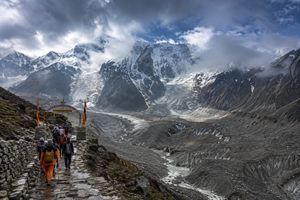
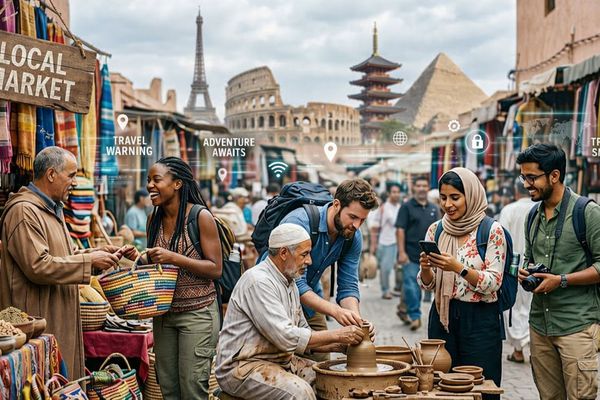 Navigating the world with intention: Discovering culture responsibly amidst global travel advisories.Image for illustrative purposes only, depicting responsible travel amidst global advisories.
In 2026, the global travel landscape is a paradox of boundless wanderlust and heightened geopolitical complexity. What was once a straightforward act of exploring new cultures has evolved into a strategic exercise, heavily influenced by what geopolitical analysts term "consolidation and consequence" [3]. The lines between peace and conflict are increasingly blurred by gray-zone provocations and cyber incursions, meaning that traditional safety metrics no longer reliably predict the viability of cultural immersion [8]. A Level 1 or Level 2 advisory can be instantly disrupted, forcing travelers to adapt or risk unexpected complications.
This new era introduces a critical technical nuance: the "Duty of Care" shift. Responsibility for traveler safety is no longer solely on tour operators; it's a shared endeavor between organizations and the travelers themselves [5]. This paradigm moves beyond reactive emergency responses toward a proactive environment, where travelers are equipped with real-time intelligence and digital threat preparation long before departure [5]. With mobile devices now central to digital identity and banking, travelers have become primary targets for sophisticated cybercriminals, irrespective of their physical location [5]. Amidst this intricate backdrop, cultural immersion transforms from a leisure activity into a mindful engagement requiring heightened situational awareness and profound respect for local norms [9]. By distinguishing between a nation's government policies and its citizens' daily lives, travelers can navigate even high-caution zones with remarkable ease [9]. This necessitates a departure from "performance tourism"—the curated collection of photographic milestones—towards a more "manageable and emotionally efficient" mode of travel [10], where genuine connection takes precedence over superficial display.
Dan Richards, CEO of The Global Rescue Companies, articulates this shift perfectly: The data is clear – travellers are expecting a shift in how they are received abroad. This doesn’t mean Americans should cancel their travel plans, but they should be aware of their surroundings, practice cultural sensitivity, and take proactive steps to mitigate potential risks.
[9] The journey ahead demands a blend of discernment, preparation, and an open heart.
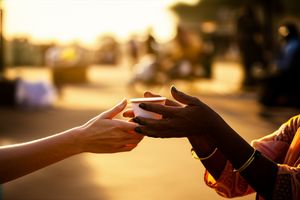
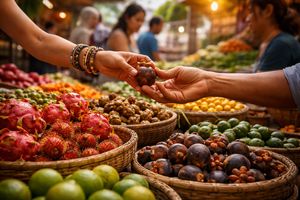 The authentic flavors of a destination are best discovered through its local markets.Image for illustrative purposes only, depicting local market engagement.
Embracing Local Markets: The Pulse of Daily Life
In the evolving landscape of 2026 travel, the local grocery store has emerged as an unlikely, yet profoundly authentic, gateway to cultural immersion [10]. Forget the staged performances and curated exhibits; the real mechanics of a society often unfold amidst the vibrant chaos of a bustling wet market or the organized aisles of an international supermarket. This trend, affectionately dubbed 'grocery store tourism,' offers a raw, unfiltered glimpse into the daily lives, consumption habits, and economic rhythms of a local population. It’s here that you encounter regional food packaging, seasonal produce, and local brands that tell a more compelling story about a culture than any souvenir ever could [10].
The technical nuance underpinning this trend is the "Interaction-Experience Bond" [11]. Meaningful cultural connections are not always found in grand gestures, but often forged through the shared, universal human activities of commerce and dining. By stepping out of the insulated "tourist bubble" of resorts and cruise ships and venturing into local retail spaces, travelers gain an unfiltered perspective on how residents truly live [11]. This is particularly salient in countries under Level 2 advisories, where remaining in high-visibility tourist zones can paradoxically increase one's profile as a target for petty crime or political demonstrations [8].
Moreover, grocery tourism serves as an ingenious economic buffer in a year where global tourism prices remain elevated [6]. It champions "Slow Travel" principles, encouraging visitors to spend more time in a single neighborhood, thereby reducing transit costs and fostering a deeper familiarity with local rhythms [10]. This anthropocentric approach to exploration often dovetails with the use of local home-share apps, many of which provide meticulously curated guidebooks detailing neighborhood shops and artisan markets [11]. As the 2026 Reader’s Digest report on travel trends highlights, Travelers want authentic consumption experiences rather than staged cultural performances
[10], unequivocally signaling a shift in traveler priorities.
| Feature | Traditional Landmark Tourism | 2026 Market-Centric Immersion |
|---|---|---|
| Social Context | Staged for visitors | Authentic daily life [10] |
| Cost to Value | High entry fees, tourist prices | Retail prices, local value [10] |
| Safety Profile | High visibility, predictable paths | Low profile, blending with locals [9] |
| Flexibility | Rigid schedules, timed entries | Open exploration, serendipity [7] |
| Outcome | Photographic documentation | Anthropology and "Better Snacks" [10] |
Actionable Advice: Shop Like a Local
Download your home-share app's neighborhood guidebook to find 'host-approved' grocery stores and wet markets. Dedicate at least one morning each week to shopping and cooking a local recipe. This simple act facilitates organic conversations with neighborhood vendors, enriching your cultural understanding beyond measure [11].
Navigating the Digital Footprint: Protecting Your Privacy Abroad
In 2026, digital safety is no longer an optional add-on to cultural immersion; it's an indispensable component, particularly in regions with stringent national security laws like Hong Kong [12]. The National Security Law (NSL) in Hong Kong, for instance, has introduced severe penalties for refusing to disclose device passwords, turning a seemingly innocuous request into a potential legal quagmire [12]. Both the U.S. and Canadian governments have issued Level 2 advisories for Hong Kong, cautioning travelers—even those merely transiting through the airport—that past social media posts can be used as grounds for detention [12]. This arbitrary enforcement means that expressions made years ago from outside the country can have immediate, real-world consequences upon entry.
A critical technical nuance to grasp here is the "Digital Footprint Confrontation," where one's online expressions can directly lead to person-to-person or state-to-person conflict [5]. Travelers in 2026 are strongly advised to "sanitize" their electronic devices before entering such environments. This includes ensuring they do not contain personal login information, sensitive social media apps, or any content that could be misconstrued. Utilizing cloud-based storage to access files only after clearing customs is a prudent strategy [5]. The Hong Kong government has expanded its authority to seize personal devices as evidence linked to national security offenses, making this precaution non-negotiable [12]. Similar warnings are in effect for travelers in parts of the Middle East, where photographing or filming the impacts of conflict can lead to immediate arrest [12].
The broader shift towards "Proactive Risk Management" necessitates rigorous digital hygiene. Public Wi-Fi, once a travel convenience, is now considered a high-risk vector for advanced phishing attacks and deepfake threats, which are rapidly escalating in the global travel sector [5]. As a security alert issued by the U.S. State Department in March 2026 plainly states, It is now a criminal offense to refuse to give the Hong Kong police the passwords or decryption assistance to access all personal electronic devices, including cellphones and laptops
[12]. Specialized training programs, covering everything from Active Shooter Awareness to LGBTQ+ Travel Awareness, reflect the complex social climates travelers must now navigate [5].
| Risk Factor | Affected Locations | Potential Consequence |
|---|---|---|
| Password Disclosure | Hong Kong [12] | Imprisonment, device seizure [12] |
| Social Media History | Hong Kong, Russia, Iran [12] | Detention for past critical posts [12] |
| Photography Bans | UAE, Middle East conflict zones [12] | Arrest for filming war impacts [12] |
| Visa Restrictions | Mali, Burkina Faso, Niger [13] | Reciprocal entry bans for Americans [13] |
| Algorithmic Bias | AI-driven travel apps [5] | False sense of security in high-risk zones [5] |
Actionable Advice: Travel With Clean Devices
When visiting or transiting through regions with strict national security laws, travel with 'clean' devices. These should contain no personal login information or sensitive social media apps. Store crucial files in the cloud, accessing them only after you've successfully cleared customs and immigration [5].
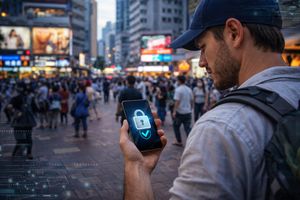 Protecting your digital footprint is paramount when navigating international borders.Image for illustrative purposes only, depicting digital privacy while traveling.
Deepening Skills, Deeper Connection: Heritage Craft Immersions
For those seeking cultural immersion that transcends fleeting experiences, heritage craft apprenticeships have ascended from a niche pursuit to a compelling primary travel style in 2026 [14]. These programs are designed for travelers eager to convert "aspiration into action," offering a profound engagement with traditional skills that are increasingly vital for the preservation of historical environments. Take, for instance, The King’s Foundation’s Building Craft and Conservation Programme, which offers 9-to-12-month immersions where students learn stonemasonry, blacksmithing, and thatching directly from master craftspeople [15]. These aren't just skills for personal enrichment; they are a direct contribution to safeguarding built heritage against the encroaching threats of global instability.
A critical technical nuance relevant to 2026 is the "Socio-Political Process of Heritage" [17]. Risk management for cultural sites is no longer viewed solely as an engineering challenge, but as an institutional practice deeply intertwined with governance and community resilience. In conflict-affected areas such as Ghadames, Libya, UNESCO has observed that systemic neglect and fragmented governance pose as significant a threat to heritage as direct combat [17]. Travelers participating in these craft programs are engaging in what experts term "Collective Intelligence" [17]—a process where traditional knowledge is leveraged to foster resilience and bolster local regulatory frameworks.
For the intentional traveler, these programs provide a structured pathway to "step down from pedestals of fear" and lead from the "soil of imagination" [18]. Many involve "Impact Tours," where participants directly engage with community stakeholders to understand the mechanics of inclusive neighborhood transformation [19]. This immersive level of engagement forms a core component of "Decision Detox" travel, replacing the complexities of itinerary planning with the focused presence of meaningful, expertly-led activities [7]. Nicole Mazza, Chief Marketing Officer at TRAVELSAVERS, captures this sentiment: People are eager to expand their horizons and immerse themselves in somewhere completely different. They're determined to take their vacation dreams and make them a reality... pursuing those once-in-a-lifetime wow experiences.
[14]
| Program Name | Location | Duration/Format | Focus |
|---|---|---|---|
| Building Craft Programme | Scotland & England [15] | 9 Months, Full-time [15] | Stonemasonry, Carpentry, Thatching [15] |
| All Ireland Heritage Skills | NI & Republic of Ireland [16] | 12 Months, Full-time [16] | Traditional building methods [16] |
| SCU Immersion: Chile | Santiago, Chile [20] | Field Immersion [20] | Human Rights & Social Movements [20] |
| Japan Essence Global Expo | Baku, Azerbaijan [21] | 2-Day Cultural Expo [21] | Traditional crafts & Sake experience [21] |
| SCU Immersion: Mexico City | Mexico City, Mexico [20] | Field Immersion [20] | Ancestral Roots & Sustainability [20] |
Actionable Advice: Engage in Short-Term Impact
If a 12-month program is too much of a commitment, seek out shorter 'Social Impact Workshops' or immersive craft seminars. Many offer 'Impact Tours' that allow you to engage with local stakeholders and contribute meaningfully without requiring long-term residency [15].
The Art of Blending In: Practicing Low-Profile Diplomacy
Navigating the 2026 travel environment demands a nuanced approach to personal conduct, one best encapsulated by the concept of "Low-Profile Diplomacy" [9]. This involves consciously minimizing overt symbols of nationality to seamlessly blend with local customs, thereby mitigating potential friction in politically sensitive regions. Security experts strongly advise against wearing clothing adorned with political slogans or nationalistic imagery, as these can inadvertently trigger confrontations in volatile climates [9]. Instead, demonstrating genuine respect for local etiquette—even by learning a few basic greetings—can foster immense goodwill and signal that you are a "gracious guest," rather than a representative of your government’s policies [9].
The technical nuance at play here is the "Distinction of Agency" [9]. Local populations frequently differentiate between an individual traveler and the broader foreign policy of that traveler's home nation. This distinction becomes acutely important during periods of increased regional tension, such as the March 2026 Worldwide Caution alert [1]. Travelers are wise to subscribe to security advisory services that provide real-time updates on anti-American protests or political demonstrations, enabling them to proactively steer clear of high-tension areas [9].
Beyond physical conduct, "Digital Diplomacy" is equally paramount. This entails a heightened awareness of one's digital footprint and a strict avoidance of discussing sensitive political topics on social media while in-country [9]. Maintaining a low profile in public spaces and remaining "situationally aware" allows for continued safe and enriching experiences, provided good judgment and respect for local norms are exercised [9]. Harding Bush, a former Navy SEAL and associate director of security operations for Global Rescue, offers succinct guidance: They know it’s not you making the decisions and policies. Be a gracious guest and don’t discuss politics.
[9] This ethos is fundamental to harmonious cultural immersion in challenging times.
| Conduct Pillar | Action Item | Objective |
|---|---|---|
| Visual Profile | Avoid nationalistic symbols/clothing [9] | Minimize unwanted attention [9] |
| Linguistic Norms | Learn local greetings and etiquette [9] | Foster goodwill and respect [9] |
| Social Media | Be aware of digital footprint [9] | Avoid in-person confrontations [9] |
| Political Discourse | Avoid sensitive political topics [9] | Maintain "gracious guest" status [9] |
| Intelligence | Use security advisory services [9] | Monitor for anti-American protests [9] |
Actionable Advice: Delegate Decision-Making
Prioritize "Decision Detox" itineraries, where local experts and guides assume primary decision-making roles. Their nuanced "Ground Truth" intelligence is invaluable for navigating localized threats that official state advisories might not fully capture, providing an added layer of safety and authenticity [5].
Investing in Peace of Mind: The Strategic Advantage of CFAR/IFAR
The 2026 travel market has witnessed a significant 27% surge in interest for "Cancel For Any Reason" (CFAR) coverage, a direct response to escalating geopolitical and operational uncertainties [4]. While conventional travel insurance policies typically exclude losses stemming from war, armed conflict, or "known events," CFAR, along with its counterpart, "Interruption For Any Reason" (IFAR), offers a crucial safety net. These policies protect travelers who, for any personal reason—even simply "not feeling safe" due to political unrest—choose to cancel or cut short their trip [22]. Typically, CFAR and IFAR reimburse between 50% and 75% of non-refundable trip costs, provided the traveler cancels at least 48 hours before departure [4].
A major technical nuance here is the "14-Day Purchase Window," a strict, time-sensitive requirement that mandates CFAR be purchased within 14 to 21 days of the initial trip deposit [22]. Furthermore, to activate the full CFAR benefit, travelers must insure 100% of their non-refundable trip costs [4]. For in-trip disruptions, IFAR is particularly invaluable, allowing travelers to terminate their journey if a military event occurs at their destination, even if such an event would ordinarily be excluded by standard "Trip Interruption" clauses [22]. This offers peace of mind that traditional policies simply can't match.
It’s imperative, however, to differentiate between legitimate travel insurance and "cancellation fee waivers" often offered by cruise lines or airlines [23]. These waivers are not insurance products and lack oversight from state insurance departments. They frequently contain "pre-existing condition" exclusions that can disqualify coverage if a medical condition flares up within 60 days of purchase [23]. The cost of a CFAR upgrade typically increases a policy’s premium by 40% to 50%, reflecting the "behavior-driven risk" that underwriters must meticulously manage in 2026 [4]. As Josh Recamara, an analyst at Insurance Business, notes, This upgrade typically increases a policy's cost by about 40% to 50%, but we've already seen how valuable that added flexibility can be for travelers affected by major events in 2026.
[4]
| Expense Category | Average Cost / Payout | Technical Requirement |
|---|---|---|
| Medical Emergency Claim | > $10,000 [25] | Standard in comprehensive plans [24] |
| Remote Medical Evacuation | Up to $250,000 [25] | Requires Medical Evacuation benefit [24] |
| CFAR Reimbursement | 50% - 75% [4] | 14-21 day purchase window [22] |
| Policy Premium Increase | 40% - 50% (for CFAR) [4] | Must insure 100% of trip cost [4] |
| Claim Approval Rate | 92% (Major providers) [25] | Requires full documentation [23] |
Actionable Advice: Go Beyond Credit Card Protection
Never rely solely on credit card travel protection for international trips in 2026. Instead, purchase a standalone "Primary" policy that includes at least $50,000 in Emergency Medical coverage and $100,000 in Medical Evacuation. This ensures you're not out-of-pocket for life-saving care in Level 3 or 4 zones [23].
AI as Your Cultural Navigator: Mastering Language and Nuance
In 2026, Artificial Intelligence has reached a "turning point" in language learning, moving beyond rudimentary translation to offer genuine, adaptive conversations [26]. AI tutors are now capable of providing real-time pronunciation feedback and integrating cultural nuances, simulating authentic interactions that transcend traditional grammar drills [26]. Imagine practicing complex negotiations or ordering a meal in a foreign language with an AI conversation partner available 24/7, all within a low-pressure environment perfect for learners who experience social anxiety when interacting with native speakers [26].
However, a critical technical nuance remains: the "Linguistic Context Gap." While AI can deftly explain idioms and complex grammatical structures, it still struggles to fully replicate the "embodied intelligence" of human interaction—the subtle body language, intonation, and social cues that are integral to genuine communication [18]. For tonal languages like Mandarin Chinese, AI systems still lag behind the nuanced feedback of native speakers in detecting subtle shifts in intonation [26]. To bridge this, advanced platforms are now integrating "TruAccent" speech recognition, enhanced with AI tuning, to refine accent and pronunciation with unprecedented accuracy in real time [26].
Beyond individual learning, AI is also playing a significant role in cultural preservation, aiding heritage institutions in the digital reconstruction of damaged cultural objects and the revitalization of endangered languages [27]. Yet, this powerful "double-edged tool" carries its own risks, particularly "Cultural Homogenization." Algorithmic personalization, if unchecked, could inadvertently obscure distinct cultural identities in favor of a global "monoculture" [27]. Proactive travelers use AI to tailor their learning journeys, but critically, they also prioritize stepping away from screens to engage in somatic and collective intelligence sessions that ground their learning in physical reality [18]. As UN Tourism Secretary-General Shaikha Alnuwais observes more generally, The positive momentum is expected to continue into 2026 as the global economy remains stable and destinations still recovering from the pandemic move closer to full recovery
[6], a momentum AI can certainly enhance for prepared travelers.
| Feature | Platform Examples | Benefit to Traveler |
|---|---|---|
| Adaptive Dialogue | ChatGPT, Claude [26] | Natural conversation and context [26] |
| TruAccent Tuning | Rosetta Stone [26] | Real-time accent refinement [26] |
| Immersive Simulations | EI, Learning Pool [28] | Practice challenging interactions [28] |
| Sentiment Analysis | Personos, Personos Prompts [29] | Detect emotional tone in messages [29] |
| Global Localization | Ingenuiti [28] | Culturally resonant content [28] |
Actionable Advice: Blend Structured AI with Conversational Practice
Build foundational grammar using 'Structured AI Learning Paths' (like Babbel or Pimsleur). Then, dedicate at least 15 minutes daily to 'Conversational AI' to reduce social anxiety and build fluency before engaging with locals in high-caution destinations [26].
Curating "Decision Detox" Journeys: Seeking Culturally Resilient Destinations
In an era defined by global uncertainties, the concept of the "Decision Detox" itinerary has emerged as a cornerstone of mindful cultural immersion for 2026 [7]. This approach moves beyond the overwhelming burden of endless research and contingency planning, instead opting for curated experiences in secondary, culturally resilient destinations. These are locations that, despite broader regional tensions, possess inherent stability, strong local governance, and a deep-seated cultural identity that remains accessible and welcoming to respectful travelers. Think of nations like Bhutan or Iceland, highlighted in the 2026 travel predictions for their ability to offer a profound sense of "awe without chaos" and "emotional scale without physical risk" [10].
The technical nuance of this strategy lies in its proactive risk management framework, which leverages AI-driven cultural intelligence tools to identify destinations where the distinction between peace and conflict is clearer, or where local resilience strategies are particularly robust [5]. These itineraries bypass traditional hotspots that might be prone to sudden political shifts or infrastructure failures, redirecting travelers toward locales where immersion is not only possible but inherently safer [8]. It’s about consciously choosing environments where the complexity of planning is significantly reduced, replaced by the presence of meaningful, expertly-led activities [7].
This pursuit of "manageable and emotionally efficient" travel isn't about avoiding the world; it's about engaging with it more intelligently and sustainably [10]. It’s a recognition that authentic cultural experiences can be found beyond the well-trodden paths, in places that offer stability and a deep connection to local life without the constant threat of disruption. By relying on vetted local guides and established, purpose-driven travel operators, individuals can embark on journeys where cultural discovery is prioritized, and the mental load of risk assessment is expertly managed. As the UN Tourism Secretary-General Shaikha Alnuwais noted, The positive momentum is expected to continue into 2026 as the global economy remains stable and destinations still recovering from the pandemic move closer to full recovery
[6], emphasizing that thoughtful, resilient travel is indeed possible.
Actionable Advice: Seek Out Resilient Destinations
Actively research destinations known for their cultural resilience and stable local governance, even if they are not traditional tourist magnets. Opt for guided tours or specialized agencies that specialize in "Decision Detox" travel, providing pre-vetted itineraries and local insights that minimize unforeseen risks and maximize authentic engagement [5].
Travel and Safety: Essential FAQs for 2026 Cultural Immersion
What is the "Worldwide Caution" of March 2026, and how does it affect me?
Is it legal for Americans to travel to Level 4 "Do Not Travel" countries?
How does "Cancel For Any Reason" (CFAR) insurance work for 2026 security threats?
What are the risks of using social media in Hong Kong in 2026?
Why is "Astro-travel" trending in the 2026 travel landscape?
Disclaimer: This article discusses travel-related topics for informational purposes only. Travel conditions, costs, and availability are subject to change without notice. Images are illustrative and may not reflect current or exact locations. For further details, please see our full disclaimer.